World Cup Referee Trends And Betting Impact 2026
Referees can change a World Cup bet fast. One early yellow. One soft penalty. One no-call that lets the match get physical. And just like that, your total, card bet, player prop, or live read looks totally different. This guide breaks down how I’d use referee trends in World Cup betting for 2026. Not by blaming refs. Not by chasing conspiracies. Just by reading whistle style, cards, fouls, penalties, VAR, and match control like another real betting factor.


Key Insights
- Quick Answer: Referee trends matter when a referee’s style affects cards, fouls, penalties, tempo, VAR reviews, and player behavior.
- Best Way To Get Better Results: Match referee tendencies with team style, player roles, game state, and current market price.
- Biggest Advantage: You can spot betting value in cards, props, totals, and live markets before casual bettors adjust.
Why Do Referee Trends Matter In World Cup Betting?
Referee trends matter because the referee controls how the match is allowed to breathe.
Some referees call tight games. Some let contact go. Some show early yellows. Some give warnings first. Some manage emotional matches well. Others can lose control if the game gets spicy.
For the bigger picture, start with Advanced World Cup Betting Strategy Guide 2026. That pillar guide should be your base for value betting, bankroll control, market timing, futures, props, and live betting.
The referee has full authority to enforce the Laws of the Game in connection with the match, according to IFAB’s Law 5. That means the referee is not just background noise. He can shape match flow, discipline, fouls, advantage, and major decisions.
That matters even more in a huge tournament. FIFA lists the 2026 World Cup as a 48-team event with 104 fixtures across 16 host cities in Canada, Mexico, and the United States. More matches means more referee assignments, more stylistic differences, and more betting boards where the whistle can matter.
So no, I’m not betting only because of the ref.
But I’m not ignoring him either.
The ref is part of the matchup.
Looking to get an edge throughout the entire World Cup?
Check out Shurzy’s Predictions tool for data-backed picks, matchup insights, and betting angles across every stage of the tournament. Whether it’s group matches or knockout rounds, this is where smart bettors find value.
What Referee Trends Should Bettors Track?
I’d track referee trends that actually affect markets.
Not random trivia.
Useful referee trends include:
- Yellow cards per match
- Red card frequency
- Fouls called
- Penalties awarded
- Advantage allowed
- Dissent tolerance
- Physical contact tolerance
- Early-card tendency
- VAR involvement
- Match-control style
The most useful trend is not always the raw card average.
Context matters.
A referee may average many cards because he often gets high-pressure matches. Another may average fewer cards because he manages players with warnings. A strict ref can still have a low-card match if both teams play clean.
So I’d never use one stat alone.
I want referee style plus matchup.
Strict ref plus physical teams? Interesting.
Lenient ref plus technical teams? Maybe less card value.
Warning-heavy ref plus emotional derby-style match? Could go either way.
That’s why we read the whole setup.
How Can Referee Trends Affect Card Betting?
Card betting is the most obvious referee angle.
A strict referee can boost card markets if the matchup already has foul risk. A lenient referee can make card overs dangerous, even if the match looks physical.
But card value comes from situations.
I’d look for cards when:
- Fast wingers attack slower fullbacks
- Midfielders must stop counters
- Defenders get isolated
- Teams press aggressively
- One side protects a lead
- The match has knockout pressure
- Players show frustration early
- The referee books early
That first yellow matters.
If the referee books early, players may calm down. Or the match may heat up because everyone starts complaining and tackling later.
You have to watch the reaction.
Pre-match trends help.
Live match control confirms.
That’s why card betting is not just “this ref gives cards.”
It’s “this ref plus this matchup plus this price.”
How Can Referee Trends Affect Fouls?
Fouls are the base layer of referee betting.
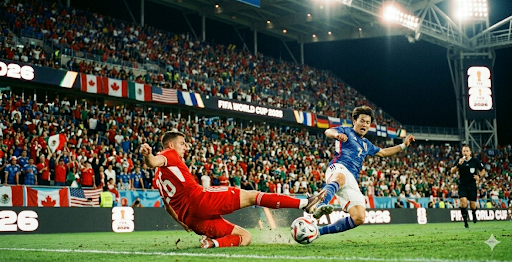
A referee who calls small contact can slow the match down. A referee who allows more physical play can create flow, transitions, and frustration from attackers who feel they are not getting calls.
Fouls can affect:
- Cards
- Free kicks
- Set pieces
- Player fouls committed
- Player fouls drawn
- Match tempo
- Totals
- Live betting
A tight whistle can help fouls overs and set-piece angles. But it can also hurt match flow. Too many stoppages can break rhythm and reduce open-play chances.
A loose whistle can help the match flow, but it may also allow defenders to be more physical.
So don’t assume tight ref equals over.
Sometimes tight ref means more dangerous free kicks.
Sometimes it means stop-start football.
Different impact. Different bet.
How Can Referee Trends Affect Penalty Betting?
Penalty trends are tricky.
Penalties are rare, but they are massive for betting.
One penalty can swing match odds, totals, team totals, goal scorer props, goalkeeper props, and live momentum.
I’d care more about penalty risk when the referee style matches the matchup.
Look for:
- Dribblers entering the box often
- Defenders who tackle late
- Teams crossing into crowded areas
- Set-piece wrestling
- Handball risk from blocked shots
- Tired defenders
- VAR review potential
VAR can assist only for clear and obvious errors or serious missed incidents in specific situations, including goal/no goal, penalty/no penalty, direct red card, and mistaken identity, according to the IFAB VAR protocol. (IFAB)
That means penalty decisions are one of the biggest referee-plus-VAR betting moments.
But don’t bet penalties only because a referee has a reputation.
You still need box pressure.
No box entries, no penalty path.
Simple.
How Do Referee Trends Connect To Extreme Weather?
Weather can make referee trends more important.
That’s why World Cup Extreme Weather Betting Angles fits naturally here. Extreme weather can create tired legs, poor footing, late tackles, delays, and messy match rhythm. Referee style decides how much of that chaos turns into fouls, cards, penalties, or stoppages.
A slick pitch plus a strict referee can push card risk up.
Extreme heat plus tired defenders can create late fouls.
Strong wind plus poor control can create loose touches and desperate tackles.
But a lenient referee may let more of that go.
So I’d combine weather and referee trends, especially for:
- Cards
- Fouls
- Set pieces
- Player booking props
- Live totals
- Penalty risk
- Corners after blocked pressure
Weather creates the conditions.
The referee decides how much gets punished.
That combination can matter a lot.
Want better World Cup bets?
Use Shurzy’s Predictions tool for data-driven picks and insights.
How Can Referee Trends Affect Totals?
Referee trends can affect totals in sneaky ways.
A tight whistle can create more free kicks, more stoppages, more penalties, and more cards. That can help goals if set pieces become dangerous or defenders have to play carefully.
But it can also kill rhythm.
Too many whistles can stop counters and break attacking flow.
A lenient referee can help overs if the match opens up and transitions flow. But if defenders are allowed to be physical, attacking quality may drop.
For totals, I’d ask:
- Does the referee allow flow?
- Does he call soft fouls?
- Are free kicks dangerous for either team?
- Are penalties more likely because of box pressure?
- Are cards likely to change defensive behavior?
- Does the match need rhythm or set pieces to score?
A referee can help an over.
A referee can help an under.
It depends how his style interacts with the teams.
No lazy rules.
How Can Referee Trends Affect Player Props?
Player props can be very referee-sensitive.
A strict referee can help booking props for defenders in bad matchups. A tight whistle can help fouls drawn. A penalty-sensitive match can increase value for penalty takers. A lenient ref can hurt players who rely on drawing soft contact.
Props affected by referee trends include:
- Player booking props
- Fouls committed
- Fouls drawn
- Tackles
- Cards
- Anytime goal scorer
- Penalty taker props
- Assists from set pieces
- Goalkeeper saves after set plays
Before betting a prop, I’d ask:
- Does the player defend in space?
- Does he often stop counters?
- Does he draw contact?
- Does he take penalties?
- Does he take free kicks?
- Is he likely to complain or react emotionally?
- Does the referee punish that behavior?
A player’s role matters.
A referee’s style can make that role safer or riskier.
How Can Referee Trends Affect Live Betting?
Live betting is where referee reads become clearer.
Pre-match, you may know the referee’s general trend. Live, you see how he is calling this specific game.
After 10 to 15 minutes, I’d ask:
- Is the ref calling soft fouls?
- Is he letting contact go?
- Is he warning or booking?
- Is dissent being punished?
- Is advantage being played?
- Are players adjusting?
- Did the live market react?
If the referee is stricter than expected, live cards, fouls, set-piece angles, and penalties may become more interesting.
If the referee is letting contact go, card overs may be overpriced, but physical underdogs may benefit.
The early whistle tells you a lot.
But don’t overreact to one call.
Watch the pattern.
A referee can miss one foul.
A style shows up over several decisions.
How Can Referee Trends Affect Host Matches?
Referee trends can matter more in host-heavy environments.
A loud crowd can make every challenge feel bigger. Players appeal more. Fans pressure every whistle. The referee has to manage the environment, not just the fouls.
This does not mean referees favor host teams.
No conspiracy stuff.
It means match pressure can change the temperature of decisions.
In host-heavy matches, I’d watch:
- Early whistle tone
- Dissent tolerance
- Time-wasting warnings
- Crowd reaction to contact
- Penalty appeals
- Opponent frustration
- Cards after repeated pressure
A calm referee can lower the chaos.
A tight referee can create more set pieces and cards.
A referee who loses control can turn a normal match into a betting mess.
That’s why host matches need referee attention.
How Should Bettors Use Referee Assignments?
Referee assignments should be a layer, not the whole bet.
Once assignments are released, I’d use them to confirm or challenge my match read.
Example:
You like card over because two teams are physical and the match has pressure. A card-heavy referee strengthens that read.
You like under because the match should be slow and controlled. A referee who calls constant fouls may strengthen that read if it kills rhythm.
You like a winger shots prop. A strict referee may help if the winger draws fouls and creates set pieces, but it may hurt if stoppages reduce open-play flow.
The ref does not replace the matchup.
He adjusts it.
That’s the clean way to use assignments.
What Are The Biggest Referee Betting Mistakes?
The biggest mistake is blaming the ref instead of pricing the ref.
Complaining after the match does nothing.
Other mistakes include:
- Betting cards only from referee average
- Ignoring team style
- Ignoring game state
- Ignoring player matchups
- Assuming referee bias means corruption
- Ignoring VAR
- Betting penalties without box pressure
- Overreacting to one early call
- Forgetting the price
That last one again.
A card-heavy referee at a bad number is not value.
A penalty trend without a matchup is not enough.
A strict ref can be obvious and still overpriced.
You need the market to be wrong.
What Is A Simple Referee Trends Betting Checklist?
Here’s the quick process I’d use.
First, identify referee style. Strict, lenient, card-heavy, warning-heavy, flow-friendly, or penalty-sensitive?
Next, match it to the teams. Physical, fast, emotional, defensive, counter-heavy, or set-piece-heavy?
Then check player roles. Who defends in space? Who commits tactical fouls? Who draws contact?
After that, choose the right market. Cards, fouls, player props, penalties, totals, team totals, live betting, or no bet.
Then watch the first 10 to 15 minutes.
Is the ref calling the match as expected?
Finally, check price.
If referee trend, matchup, and price all line up, maybe there’s value.
If not, pass.
No ref conspiracy needed.
Just better betting.
Where To Go Next
If you want to go deeper into the referee layer, read How Referee Styles Affect World Cup Betting next. It breaks down strict refs, lenient refs, foul tolerance, match flow, cards, penalties, props, and live betting adjustments.
Before you bet the World Cup, check Shurzy’s Predictions for the best betting angles and value plays.
FAQ
Do Referee Trends Matter In World Cup Betting?
Yes. Referee trends can affect cards, fouls, penalties, match tempo, VAR reviews, player props, totals, and live odds.
What Referee Trends Should Bettors Track?
Track cards, fouls, penalties, advantage played, dissent tolerance, physical contact tolerance, VAR involvement, and early-card tendencies.
Can Referees Affect Over/Under Betting?
Yes. Referees can affect rhythm, stoppages, free kicks, penalties, cards, and whether the match flows or becomes choppy.
Should I Bet Cards Just Because A Referee Is Card-Heavy?
No. A card-heavy referee helps only if the matchup, game state, player roles, and price support the bet.
What Is The Biggest Referee Betting Mistake?
The biggest mistake is betting from referee reputation alone without checking team style, player matchups, VAR, live whistle tone, and current price.

Minimum Juice. Maximum Profits.
We sniff out edges so you don’t have to. Spend less. Win more.


RELATED POSTS
Check out the latest picks from Shurzy AI and our team of experts.