Rain And Pitch Conditions Betting Strategy World Cup
Rain can turn a World Cup match weird fast. The ball skids. Players slip. Goalkeepers punch instead of catch. Defenders stop trusting clean passes out of the back. That can create betting value. It can also create traps if you just assume “rain equals under.” This guide breaks down how I’d bet rain and pitch conditions in the World Cup. Slick grass, heavy pitches, passing rhythm, props, totals, cards, corners, and the live signs that matter more than the forecast.


Key Insights
- Quick Answer: Rain matters when it changes pitch speed, ball control, passing rhythm, goalkeeper handling, tackles, or set-piece danger.
- Best Way To Get Better Results: Check rain intensity, pitch condition, team style, and live ball movement before betting.
- Biggest Advantage: You avoid betting normal match conditions when the pitch may make the game faster, slower, or messier than expected.
Why Do Rain And Pitch Conditions Matter In World Cup Betting?
Rain and pitch conditions matter because soccer depends on touch, timing, and surface control.
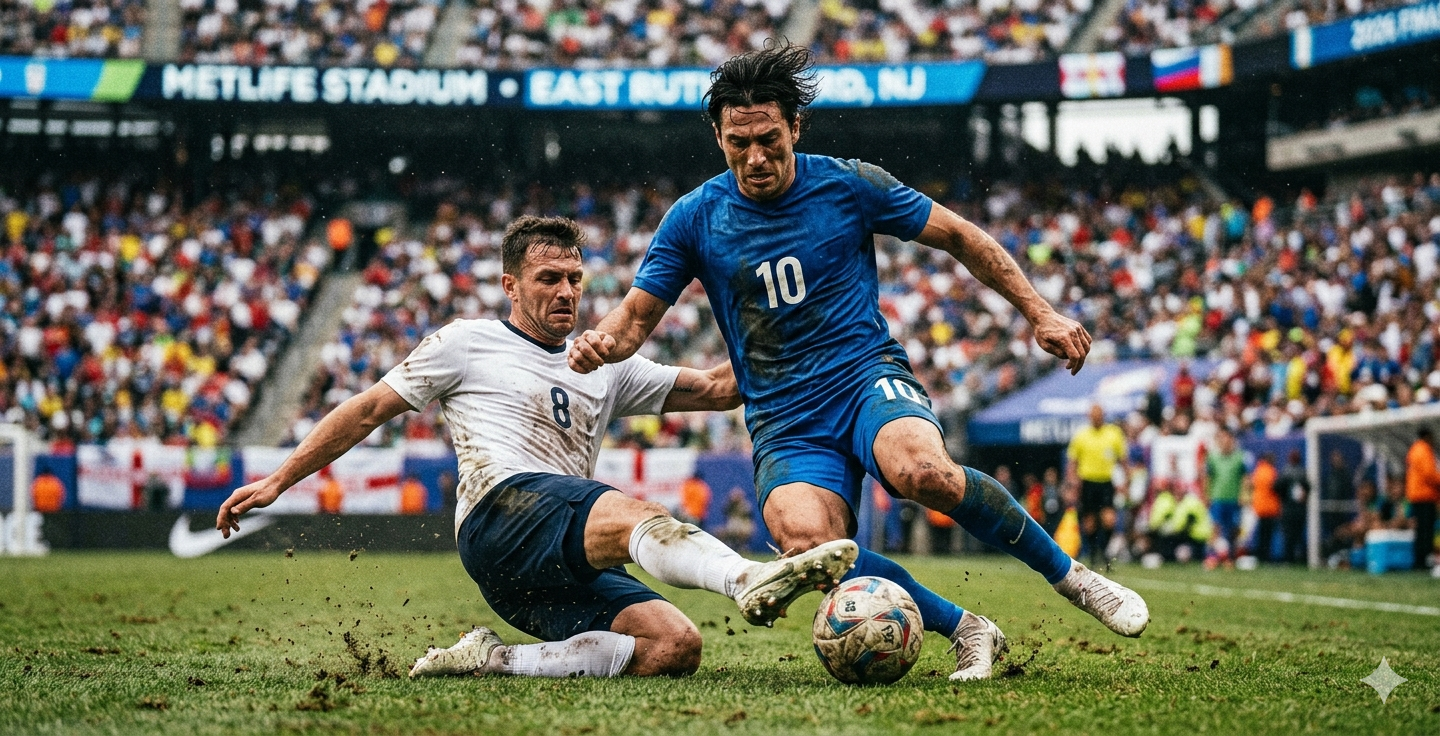
A clean pass on a dry pitch can skid too fast on wet grass. A defender can slip when changing direction. A goalkeeper can spill a wet shot. A team that normally builds calmly from the back may suddenly look less comfortable.
For the bigger picture, start with Advanced World Cup Betting Strategy Guide 2026. That pillar guide should be your base for value betting, bankroll control, market timing, futures, props, and live betting.
The 2026 World Cup will be played across Canada, Mexico, and the United States, with FIFA listing 16 host cities and 104 matches. That wide venue spread means weather and pitch conditions can vary from match to match.
That’s the betting angle.
The teams may be the same. The lineups may be right. But if the pitch plays differently because of rain, the market may not fully adjust.
Same players.
Different surface.
Different bet.
Looking to get an edge throughout the entire World Cup?
Check out Shurzy’s Predictions tool for data-backed picks, matchup insights, and betting angles across every stage of the tournament. Whether it’s group matches or knockout rounds, this is where smart bettors find value.
What Rain Conditions Should Bettors Track?
Not all rain is the same.
Light rain, steady rain, heavy rain, and sudden rain showers can affect a match differently. PAGASA describes light rain as up to 2.5 mm per hour, moderate rain as 2.5 mm to 7.5 mm per hour, and heavy rain as greater than 7.5 mm per hour. It also describes rain showers as short-duration precipitation that can change intensity quickly. (PAGASA)
For betting, that matters.
Light rain may make the pitch slick and quick. Heavy rain may make the pitch heavier, slower, or harder to control. Sudden showers can change the match midstream.
I’d track:
- Rain intensity
- How long it has been raining
- Pitch drainage
- Visible standing water
- Ball speed
- Player footing
- Goalkeeper handling
- Whether rain starts before or during the match
The forecast gives you the clue.
The pitch tells you the truth.
If the ball is moving cleanly, don’t force a rain angle. If every touch looks awkward, now we have something.
How Can Rain Make A Pitch Faster?
Light or moderate rain can make the pitch slick.
That can speed up passes, through balls, and shots. Teams that play quick ground combinations may actually benefit if they control the surface well.
But slick does not always mean better.
A wet ball can run away from players. First touches can bounce too far. Defenders can misjudge passes behind them. Goalkeepers may have trouble holding low shots.
A faster pitch can affect:
- Through-ball chances
- Counterattacks
- Goalkeeper saves
- Shots on target
- Defender errors
- Player props
- Live totals
If the pitch is slick but playable, I’d watch teams with pace.
Fast attackers can become more dangerous when defenders are slipping or turning slowly.
That can help live overs, team totals, shots props, and cards.
But only if the match actually shows it.
No guessing.
How Can Rain Make A Pitch Slower?
Heavy rain can make the pitch slower if the surface gets heavy or water starts affecting ball movement.
That can hurt quick passing, dribbling, and clean buildup. The ball may stop short. Players may need extra touches. Teams may go more direct because short passing becomes risky.
A slower pitch can affect:
- Match tempo
- Passing props
- Possession teams
- Dribblers
- Shot quality
- First-half unders
- Long-ball usage
- Set-piece value
This is where the “rain equals under” idea sometimes makes sense.
If both teams are struggling to move the ball and chance quality is poor, unders can be interesting.
But be careful.
A heavy pitch can also create mistakes. Bad back passes. Poor clearances. Defenders misjudging the ball. Goalkeepers dealing with awkward bounces.
So even a slow pitch can create chaos.
That’s why live watching matters.
How Does Rain Connect To Wind Betting?
Rain and wind together can get messy.
That’s why Wind Impact On World Cup Match Betting fits naturally here. Wind affects ball flight, crosses, corners, long balls, and goalkeeper distribution. Rain affects pitch speed, footing, touch, and handling.
Together? Fun for viewers. Stressful for bettors.
Rain plus wind can affect:
- Cross accuracy
- Goalkeeper confidence
- Set-piece delivery
- Defensive clearances
- Long balls
- Corner quality
- Shot handling
- Live totals
A rainy but calm match is one thing.
A rainy, windy match is another.
If wind is pushing crosses and rain is making the ball slick, set pieces can become chaotic. But clean finishing may still be harder.
So I’d avoid one-word weather reads.
Don’t say “rain.”
Say “slick pitch with wind hurting crosses” or “heavy rain slowing buildup.”
That’s a sharper betting note.
Want better World Cup bets?
Use Shurzy’s Predictions tool for data-driven picks and insights.
How Can Rain Affect Totals?
Rain can affect totals both ways.
I know. Annoying. But true.
Rain can support unders when it slows passing, hurts rhythm, and reduces clean chances. It can support overs when it creates slips, rebounds, goalkeeper mistakes, and defensive panic.
For totals, I’d ask:
- Is the pitch slick or heavy?
- Are teams still creating clean chances?
- Are goalkeepers handling cleanly?
- Are defenders slipping?
- Are set pieces becoming dangerous?
- Did the total already move?
If rain only makes the match messy without creating good chances, I’m careful with overs.
If rain creates repeated dangerous moments, bad clearances, and goalkeeper uncertainty, live overs may become interesting.
Rain does not decide the total.
The pitch response does.
How Can Rain Affect Player Props?
Rain can change player props because it changes touch, movement, and match style.
Some props may lose value. Others may gain value.
Props rain can hurt:
- Passing overs
- Assist props from clean buildup
- Dribble-heavy player props
- Shots props if service drops
- Goal scorer props if chance quality falls
Props rain can help:
- Goalkeeper saves
- Shots from distance
- Defender clearances
- Cards from mistimed tackles
- Corners from blocked crosses
- Set-piece taker volume
- Fouls drawn by dribblers
For player props, I’d check role first.
A player who takes set pieces may benefit if the match creates more dead-ball chances. A goalkeeper may face awkward shots. A defender may clear more if his team stops building out.
Rain changes the prop board.
It does not kill it.
How Can Rain Affect Goalkeepers?
Goalkeepers are one of the first positions I watch in rainy matches.
A wet ball can be harder to hold. Low shots can skid. Crosses can become awkward. Defenders may play more back passes under pressure.
That can affect:
- Saves
- Rebounds
- Goal scorer props
- Team totals
- Corners
- Set-piece danger
- Live overs
If a goalkeeper punches everything early, that tells me something. If he spills a low shot, defenders may get nervous. If distribution looks shaky, the opponent may press harder.
But don’t overreact to one moment.
Every keeper deals with awkward balls sometimes.
I want patterns.
Repeated handling issues. Bad communication. Poor clearances. Nervous decisions.
That’s when rainy goalkeeper reads become useful.
How Can Rain Affect Cards?
Rain can create card value when footing gets worse and tackles become harder to time.
Players can slide late. Defenders can mistime challenges. Midfielders can lose the ball and foul to stop counters. Frustration can build if the match gets sloppy.
Cards become more interesting when rain combines with:
- Fast attackers
- Slick pitch
- Strict referee
- Tactical fouls
- Tired defenders
- High stakes
- Late-game chasing
But don’t bet cards only because it rains.
Rain plus pressure is the better formula.
If both teams slow down and avoid risky duels, cards may not rise much.
If the match gets stretched and players keep slipping into late tackles, now we’re talking.
How Can Rain Affect Corners?
Rain can affect corners in a few ways.
If teams attack wide and crosses get blocked, corners can rise. If defenders clear in panic because the pitch is slick, corners can stack up. If one team pins the other deep, rain can make clearances less controlled.
I’d look for corner value when:
- Wide attacks continue
- Defenders block crosses
- Clearances are poor
- Goalkeepers punch instead of catch
- Shots are deflected
- One team is chasing late
But rain can also reduce corners if teams stop attacking wide or the match slows too much.
So again, style matters.
A rain match with wide pressure? Corners can be live.
A rain match with slow midfield turnovers and no box entries? Not enough.
Corners need pressure.
Rain can help create it, but it does not guarantee it.
How Can Pitch Conditions Affect Injuries And Substitutions?
A poor or slippery pitch can affect movement.
Players may avoid full-speed changes of direction. Coaches may manage minutes if players look uncomfortable. A team with important knockout matches ahead may not want to push key players too hard on a risky surface.
I’m not saying bet injuries.
Don’t do that.
But substitution risk matters for props.
If a winger is slipping, if a midfielder looks uncomfortable, or if defenders are stretching often, that can affect minutes and output.
For props, I’d ask:
- Is the player moving normally?
- Is he slipping often?
- Is the coach likely to protect him?
- Could fresh legs become more important?
- Does the pitch hurt his role?
Rain and pitch conditions can turn a normal minutes projection into a shaky one.
That matters.
How Can Live Betting Confirm Rain Impact?
Live betting is the best way to use rain and pitch conditions.
Pre-match, you can check the forecast.
Live, you can see the surface.
After 10 to 15 minutes, I’d ask:
- Is the ball skidding or slowing?
- Are players slipping?
- Are first touches clean?
- Are goalkeepers handling well?
- Are teams changing style?
- Are long balls or ground passes working?
- Did the live market adjust?
If the pitch plays fine, move on.
If the pitch is clearly changing the match, check which markets are slow to react.
Maybe under. Maybe live over. Maybe cards. Maybe corners. Maybe goalkeeper saves. Maybe passing unders.
The key is to bet what the rain is actually doing.
Not what you thought it would do.
What Are The Biggest Rain Betting Mistakes?
The biggest mistake is assuming all rain has the same effect.
It doesn’t.
Other mistakes include:
- Betting under automatically
- Ignoring pitch drainage
- Ignoring wind
- Ignoring whether rain is light or heavy
- Betting passing props from averages only
- Ignoring goalkeeper handling
- Missing live pitch clues
- Assuming both teams are affected equally
- Forgetting the price
That price one again.
If the market already moved because of rain, the edge may be gone.
You need the odds to be wrong.
Not just the forecast to be wet.
What Is A Simple Rain And Pitch Betting Checklist?
Here’s the quick process I’d use.
First, check rain intensity close to kickoff.
Next, watch the pitch. Slick, heavy, puddled, or normal?
Then match the condition to team style. Short passing, direct play, wide attacks, pressing, or low block?
After that, check player props. Who loses value? Who gains from mistakes, set pieces, or pressure?
Then watch goalkeepers and defenders early.
Finally, check price.
If rain changes the match and the market has not adjusted, maybe there’s value.
If the pitch looks fine or the price already moved, pass.
No forced rain bets.
Where To Go Next
If you want to get better at timing these reads, read World Cup Weather Forecast Strategy For Bettors next. It breaks down when to check forecasts, how to compare weather with odds movement, and how to avoid overreacting to early reports.
Before you bet the World Cup, check Shurzy’s Predictions for the best betting angles and value plays.
FAQ
Does Rain Affect World Cup Betting?
Yes. Rain can affect pitch speed, passing rhythm, ball control, goalkeeper handling, cards, corners, totals, props, and live odds.
Does Rain Always Mean Bet The Under?
No. Rain can slow clean attacking play, but it can also create slips, rebounds, poor clearances, and goalkeeper mistakes.
What Rain Intensity Matters Most For Betting?
Moderate and heavy rain usually matter more than light rain, especially if the pitch becomes slick, heavy, or visibly difficult to play on. (PAGASA)
Can Rain Affect Player Props?
Yes. Rain can affect passing, shots, crosses, tackles, cards, goalkeeper saves, clearances, set pieces, and substitution risk.
What Is The Biggest Rain Betting Mistake?
The biggest mistake is betting rain as a shortcut without checking pitch condition, team style, goalkeeper handling, live match flow, and price.

Minimum Juice. Maximum Profits.
We sniff out edges so you don’t have to. Spend less. Win more.


RELATED POSTS
Check out the latest picks from Shurzy AI and our team of experts.