World Cup Blowout Win Trends
Germany 7 Brazil 1. Semi-final. 2014. On home soil. I remember watching that match with six people in a room and nobody spoke for about 20 minutes after the fifth goal went in. Not because we were sad. Because we were genuinely trying to process what we were watching. A World Cup host nation, one of the greatest footballing countries on earth, getting taken apart like a pub team. Blowouts at the World Cup feel impossible when they happen. The data says they're more predictable than you'd ever guess.


Blowouts Are Rarer But They Still Happen Every Tournament
Set the threshold at three goals or more and you'll find heavy wins in every single World Cup. The early tournaments had some genuinely wild scorelines. Double digits. 8-0s. Groups where one traditional power just dismantled a debutant nation completely.
As global football professionalized, the mismatches narrowed. Better coaching, better preparation, better fitness across the board. Big wins became less frequent in later knockout rounds. When a blowout happens in a quarter-final or semi-final now, it's treated as a major event precisely because it's so unusual.
But they still happen. And the pattern of when and why is consistent enough to bet around.
Read More: The Complete Guide to World Cup Betting 2026
Group Stage Is Where Most Blowouts Live
The majority of heavy wins happen in the group stage. Makes sense when you look at the structure.
Strong favorites sometimes face debutant nations or significantly lower-ranked opponents in the group draw. The gap in pressing intensity, transition speed, and individual quality is just too wide. Add in the incentive to build goal difference as a buffer for later group games and you have a recipe for double-digit attempts and multiple goals.
The typical blowout pattern:
- Stronger side forces turnovers high up the pitch from the first whistle
- Early goal arrives and the weaker team's structure starts cracking
- Second goal compounds the psychological damage
- Weaker team opens up chasing the game, creating more space
- Goals three and four arrive in a second half against a side that has mentally checked out
Once the scoreline hits three goals, the probability of more goals goes up sharply. The leading team is confident and hunting. The trailing team has lost its shape and sometimes its belief entirely.
The Psychology of the Snowball
This is the part most bettors miss completely.
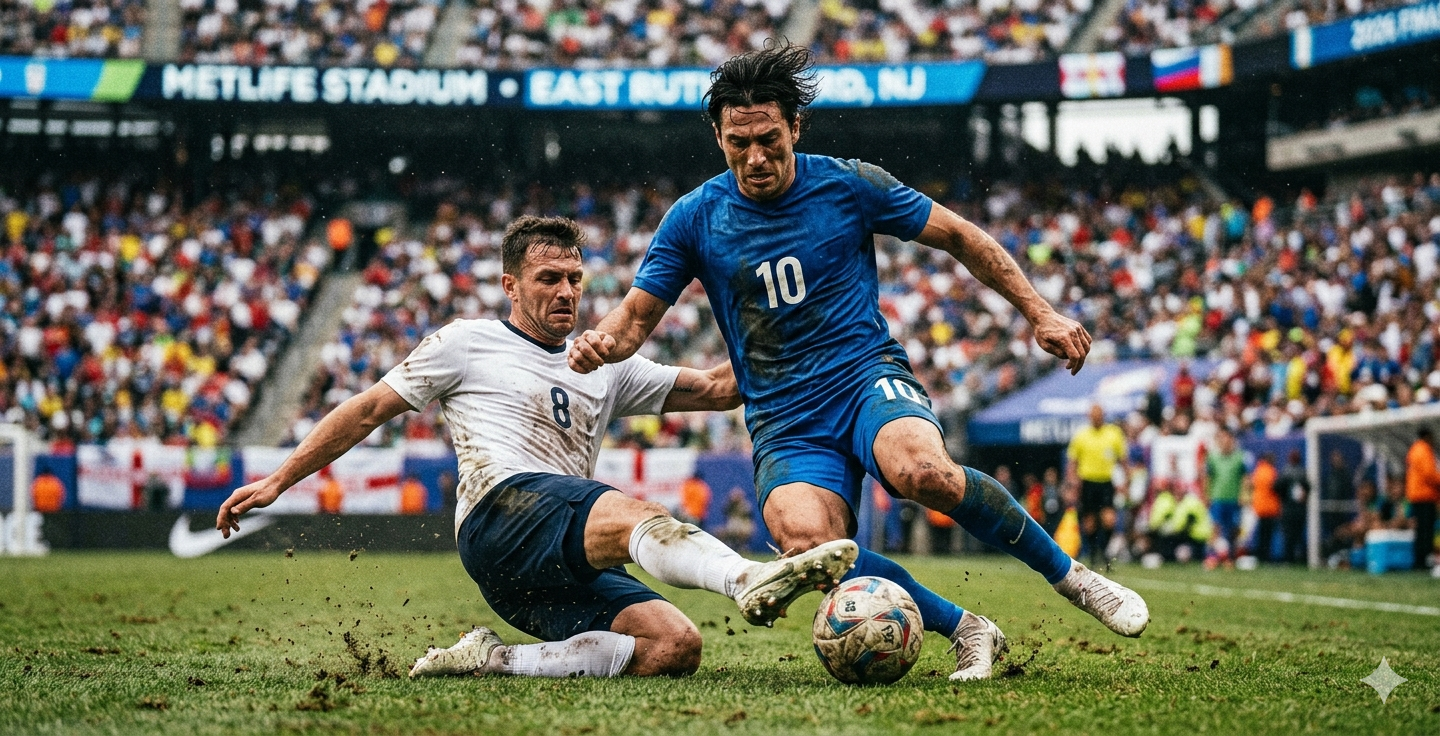
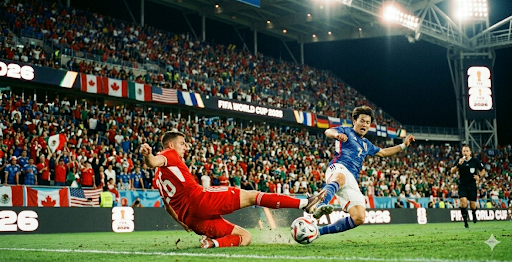
When a team falls three goals behind at the World Cup, something shifts psychologically that goes beyond just tactics. Individual players start protecting themselves. Defenders stop making aggressive challenges for fear of giving away penalties. Attackers stop tracking back. The collective defensive effort quietly dissolves.
Meanwhile the winning team does the opposite. Attackers chase personal milestones. Golden Boot contenders push for one more. The intensity stays high long after the result is mathematically settled.
That combination, one team mentally gone and the other still hunting, is why blowout scorelines keep growing in the second half. The data shows second half goal rates in already-heavy wins are significantly higher than pre-match totals suggest.
Want better World Cup bets? Use Shurzy's Predictions tool for data-driven picks and insights.
When Blowouts Happen in Knockout Rounds
Rare. But when they land in knockouts, they're almost always explained by the same few things:
- Tactical mismatch that was visible pre-match — one team's pressing style completely breaks the other's build-up. Germany vs Brazil was this. Brazil had no answer for coordinated high pressing without their injured talisman
- Early red card or major incident — a team going down to 10 men in the 20th minute of a knockout game is a blowout waiting to happen
- Psychological collapse after early goals — some teams simply cannot recover once they fall behind early in high-pressure elimination games. Tournament data shows this is repeatable at national level
Read More: World Cup Tactical Matchup Betting Strategy
Before you bet the World Cup, check Shurzy's Predictions for the best betting angles and value plays.
The 2026 Expansion Factor
More teams means more potential mismatches. Simple math.
With 48 nations in the tournament, the group stage will include more teams at earlier stages of football development meeting established powers in their first or second World Cup. That increases the pool of potential blowout matches in the early rounds even if the knockout stages remain tightly contested.
For bettors this means:
- More group stage matches worth pricing for heavy handicap lines
- More situations where the over on total goals is genuinely worth targeting
- More cases where alternative Asian handicap markets offer better value than the standard moneyline
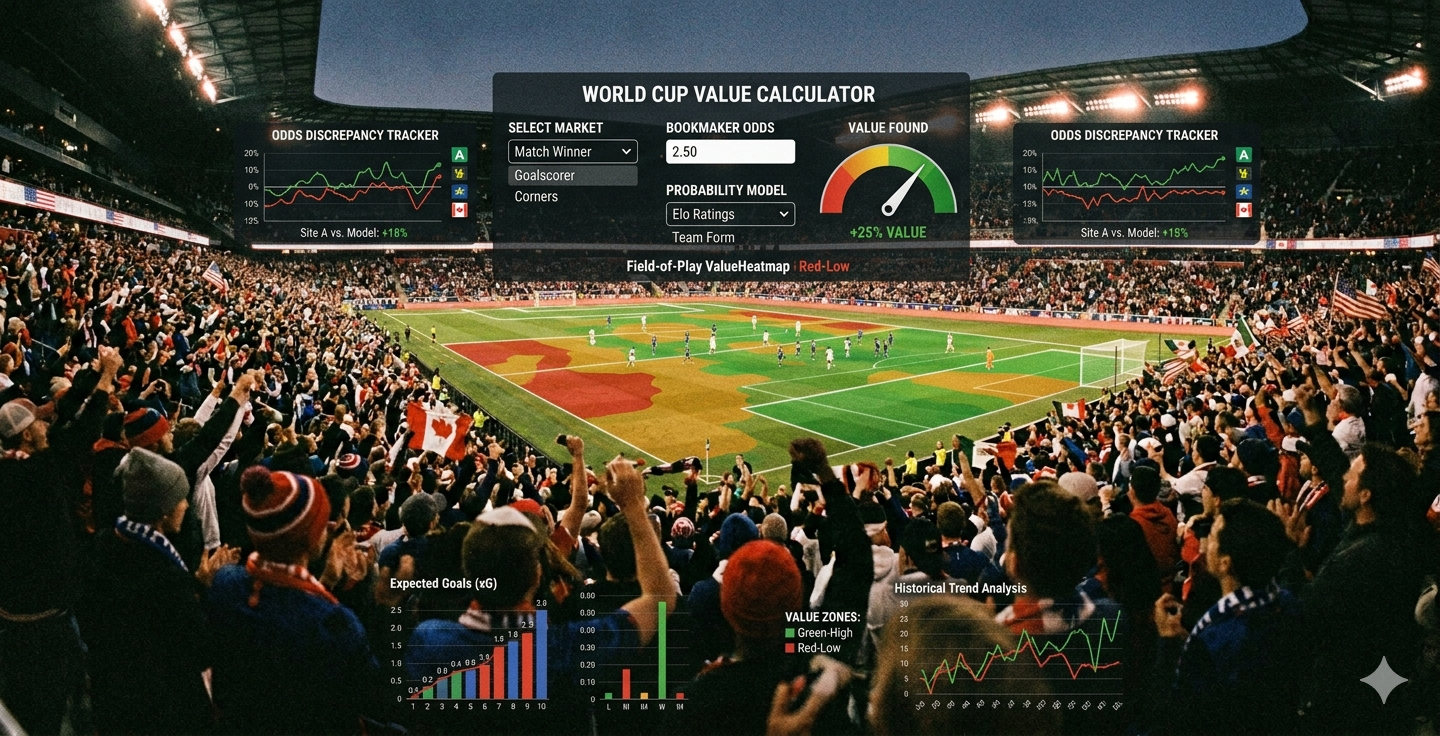
The books will price some of these group stage mismatches conservatively because they're building markets for casual bettors who recognize big names. That gap between market price and actual quality gap is where the value lives.
The Markets to Target
Blowout trends point at specific plays worth running across the group stage and select knockout matchups:
- Alternative Asian handicap at -2.5 or -3 — stronger favorites against significantly weaker opposition are often better value here than on the standard moneyline
- First half over totals — blowout patterns often establish themselves early. If a heavy favorite scores inside 20 minutes, the first half total market becomes very live
- Total goals over in matches with clear quality gaps — heavy wins produce high goal totals. The over is often better value than the handicap in these matchups
- Anytime goalscorer for multiple attackers — when a team is hunting a big win, goals spread across the forward line. Multiple scorer markets pay well
The alternative handicap angle in group stage mismatches is criminally underused. A top-five ranked nation against a World Cup debutant at -2.5 goals often prices better than the moneyline and delivers more consistently when the quality gap is real.
The Bottom Line
Blowouts follow a pattern. Early goal. Psychological snowball. Second half goals compounding on a side that has mentally left the building. Hunters on one side, survivors on the other.
Germany 7 Brazil 1 wasn't just chaos. It was a tactical mismatch, a missing player, and a psychological collapse happening simultaneously on the biggest stage in football.
The data told the story. Most people just weren't reading it.
Looking to get an edge throughout the entire World Cup? Check out Shurzy's Predictions tool for data-backed picks, matchup insights, and betting angles across every stage of the tournament. Whether it's group matches or knockout rounds, this is where smart bettors find value.\

Minimum Juice. Maximum Profits.
We sniff out edges so you don’t have to. Spend less. Win more.


RELATED POSTS
Check out the latest picks from Shurzy AI and our team of experts.