World Cup Comeback Win Trends
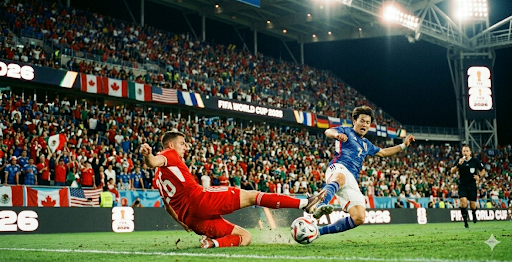
Belgium vs Japan. Round of 16. Russia 2018. Japan are 2-0 up in the second half playing some of the best football of the tournament. Looked done. Completely done. Belgium scored three times in 30 minutes and won 3-2. I had Japan. Obviously. And I sat there watching the whole thing unravel in real time thinking this is impossible. Turns out it wasn't impossible at all. It was just the data doing exactly what comeback data does when a top-ten ranked team with elite depth starts throwing substitutes at a tired defense. Comebacks feel miraculous. They're not. They're patterns.


Comebacks Are Rarer Than You Remember
The team that scores first at the World Cup wins or avoids defeat the vast majority of the time. Across tournament history, going behind and winning is a genuine statistical minority. That rarity is exactly why comebacks get burned into memory so hard.
A true comeback, conceding first and winning, is structurally difficult because:
- The scoring team shifts to a defensive game model immediately
- Trailing teams take on more risk which also creates counter-attack exposure
- The psychological weight of chasing grows with every minute on the clock
Big multi-goal comebacks are even rarer in the modern game. Defensive organization and tactical discipline have made three and four goal turnarounds almost extinct in competitive knockout football. When they happen, something has gone seriously wrong tactically or mentally for the leading side.
Read More: The Complete Guide to World Cup Betting 2026
The Tactical Pattern Behind Most Comebacks
Comebacks don't just happen. They follow a recognizable sequence almost every time.
The trailing team usually makes a meaningful tactical switch around the 55 to 65 minute mark. Formation change. Pressing height adjusted. Fresh attackers introduced against defenders who've been running for an hour. Then something clicks.
The generic pattern looks like this:
- Trailing team changes shape or introduces impact substitute around 60 minutes
- New tactical wrinkle creates a problem the leading team hasn't seen yet
- First goal arrives. Momentum shifts visibly
- Leading team, suddenly nervous, sits deeper and invites pressure
- Second goal becomes significantly more likely than it was 20 minutes earlier
Belgium did exactly this against Japan. Romelu Lukaku came on. The shape changed. Japan had no answer for what came next. Three goals in 30 minutes.
Group Stage vs Knockout Comebacks
The comeback dynamic is different depending on where in the tournament you are. Worth understanding before you bet it.
Group stage comebacks happen more often. Teams trailing with two more group games to play are more willing to take extreme risks. This produces wilder scoreline swings and more genuine turnarounds. The cost of losing one group game is manageable. The cost of being cautious and going out on goal difference is not.
Knockout comebacks are rarer but more dramatic. One mistake ends the tournament. But passive play when behind is equally fatal. Teams trailing in knockouts eventually have to commit. When they do, the game opens up fast.
Want better World Cup bets? Use Shurzy's Predictions tool for data-driven picks and insights.
Psychology Drives the Second Goal More Than the First
The first goal in a comeback is about tactics and execution. The second goal is almost entirely psychological.
Once the trailing side scores, everything changes in both dugouts. The team that was comfortable starts second-guessing. Sits deeper than planned. Stops pressing. Gives the opposition time on the ball they weren't getting before. Meanwhile the chasing team feels belief surge through the whole squad. Players who were tight and desperate 10 minutes ago are suddenly playing with freedom.
This momentum shift is measurable in the data. The probability of a second goal arriving quickly after the first comeback goal is significantly higher than the base rate would suggest. The market rarely prices this correctly in real time.
Read More: How to Read Momentum in World Cup Matches
Before you bet the World Cup, check Shurzy's Predictions for the best betting angles and value plays.
The Markets That Pay Off
Comeback trends point at some specific live betting plays worth targeting across 104 matches in 2026:
- Live moneyline on the trailing team after 60 minutes — if a quality side is behind by one goal with 30 minutes left and hasn't been outplayed, the repricing often overshoots
- Next team to score after the comeback first goal lands — momentum shift makes the trailing team's next goal significantly underpriced live
- Both teams to score — a team chasing the game guarantees open play in both directions
- Draw no bet on the trailing team — takes the loss scenario off the table while still paying decent odds on quality sides
The live moneyline angle is the one that keeps delivering. A team like France, Spain, or Brazil going behind by one goal in the 55th minute against a mid-tier side is not a team that has lost the match. The books sometimes price it that way. That's the edge.
The Bottom Line
Comebacks follow patterns. Tactical switches around the hour mark. Psychological collapse from the leading side. Momentum compounding after the first goal back. Fresh attackers against exhausted defenders.
Belgium vs Japan wasn't a miracle. It was a coach making the right call at the right time against a team that ran out of answers.
I still had Japan. Still hurts. But at least now I know better.
Looking to get an edge throughout the entire World Cup? Check out Shurzy's Predictions tool for data-backed picks, matchup insights, and betting angles across every stage of the tournament. Whether it's group matches or knockout rounds, this is where smart bettors find value.

Minimum Juice. Maximum Profits.
We sniff out edges so you don’t have to. Spend less. Win more.


RELATED POSTS
Check out the latest picks from Shurzy AI and our team of experts.