World Cup Home Continent Advantage Trends
A mate of mine spent two weeks before the 2014 World Cup explaining why a South American team was basically guaranteed to win. On home soil. In South America. The history backed him up completely. He was insufferable about it. Printed out a table of results and everything. Germany won. In Brazil. First European team to win a World Cup in South America ever. He still brings it up. So do I, just differently. The home continent advantage is real. It's also more complicated than the history suggests. And for 2026, it matters more than most bettors are giving it credit for.


The Historical Pattern Is Hard to Argue With
Every single World Cup winner up to 2018 came from Europe or South America. Every one.
More specifically, European World Cups almost always produced European winners. South American tournaments almost always produced South American winners. The one big exception before 2014 was Brazil winning in Sweden in 1958. That's how consistent the pattern was.
The reasons aren't mystical either:
- Home continent teams handle the climate better
- Shorter travel routes mean less fatigue across the tournament
- Familiar time zones mean better sleep and recovery
- Local fan support creates a genuine atmosphere advantage
- Players feel mentally at home rather than displaced for six weeks
These aren't small things. At a tournament where margins decide everything, arriving fresher, sleeping better, and playing in front of passionate local support adds up across seven matches.
Read More: The Complete Guide to World Cup Betting 2026
But the Edge Is Softening. Noticeably.
Germany in Brazil 2014 wasn't just a good result. It was a signal.
Elite teams now invest heavily in logistics. Charter flights. Pre-tournament acclimatisation camps specifically designed for the host conditions. Sports science protocols built around the specific climate and altitude of the host nation. Recovery infrastructure that would have seemed like science fiction 30 years ago.
The advantages that home continent teams once had by default are now being deliberately replicated by the best-prepared nations regardless of where the tournament is held.
That doesn't mean continent advantage is dead. It means it's become a mid-tier advantage rather than a dominant one. Strong home continent teams still punch above their weight. Average home continent teams get a modest boost. But elite teams from other confederations with serious preparation can now overcome the environmental gap that used to be decisive.
What This Means for 2026 Specifically
North America hosting creates a genuinely interesting situation for continent advantage analysis.
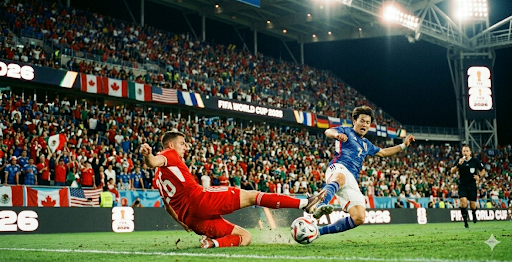
CONCACAF teams, primarily the USA, Mexico, and Canada, get the full home continent treatment. Familiar climates. Short travel. Passionate local support in massive stadiums. That matters for three nations that are capable of causing problems in the group stage but wouldn't normally be expected to go deep in a World Cup.
At the same time, South American nations are playing just next door. Brazil, Argentina, Colombia, Uruguay. Relatively short travel. Similar time zones. Similar climates in many venues. They get a meaningful portion of the home continent advantage without literally being the host.
European teams flying in for a month-long tournament in North American heat and humidity are the ones most exposed to the environmental gap. Especially in early group stage matches before they've fully acclimatised.
Want better World Cup bets? Use Shurzy's Predictions tool for data-driven picks and insights.
The Betting Angle Nobody Is Pricing Correctly Yet
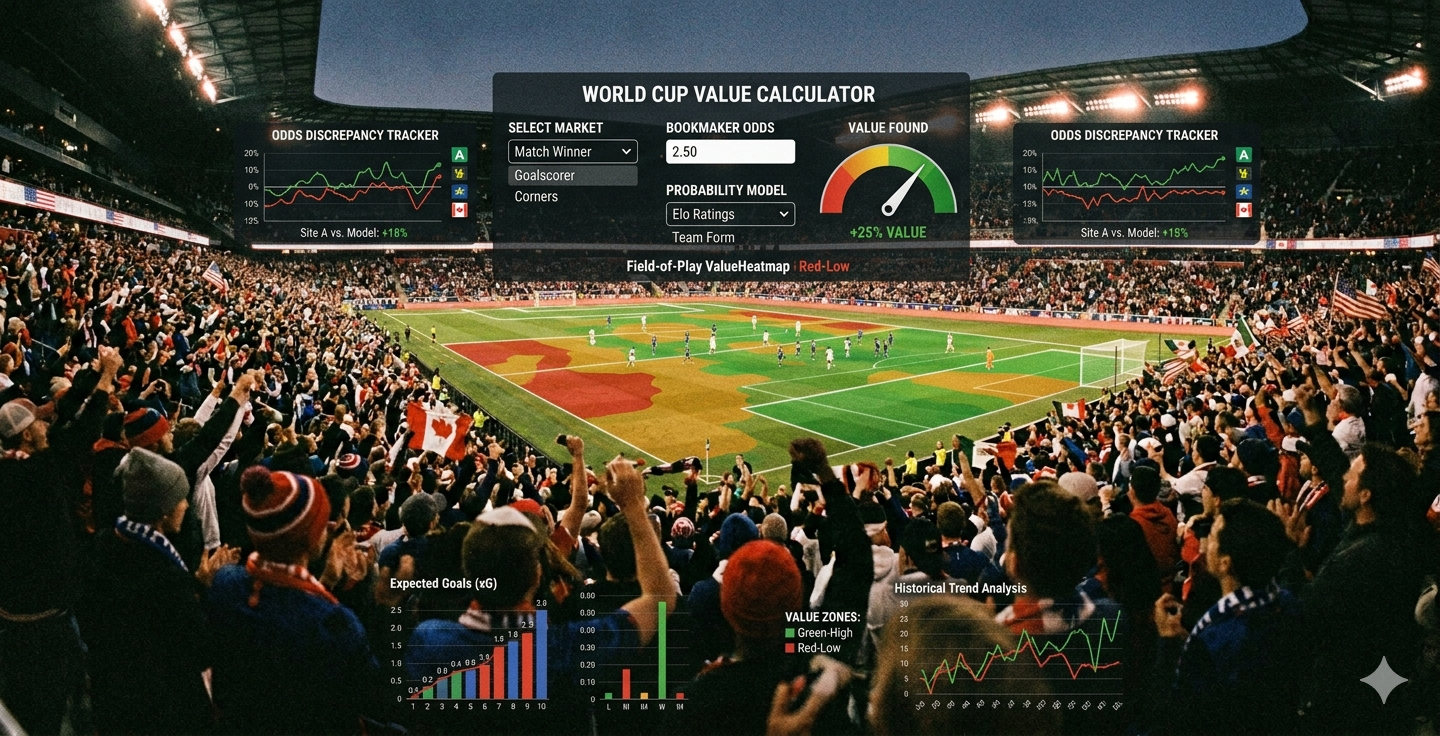
Books will open 2026 group stage odds based primarily on FIFA rankings and recent form. Continental advantage won't be heavily weighted in early market pricing. That gap is an edge.
Specifically worth looking at:
- USA, Mexico, and Canada group stage prices — home continent boost is real for mid-tier nations. These three are likely underpriced in group stage advancement markets
- South American teams in early rounds — short travel, familiar conditions, natural acclimatisation advantage over European opponents who just flew eight hours
- European teams in outdoor venues in summer heat — especially in the first group stage match before full acclimatisation. Fade the big-name European side playing a South American or CONCACAF opponent in humid conditions matchday one
The matchday one fade on jet-lagged European giants playing in Miami heat is not a glamorous bet. It is absolutely a historically supported one.
Read More: World Cup Host Nation Bias and Market Overreaction
Before you bet the World Cup, check Shurzy's Predictions for the best betting angles and value plays.
The Bottom Line
Home continent advantage is real, historically documented, and still worth factoring into 2026 betting. It's just not the automatic tournament-deciding force it once was.
The smart play is using it as a modifier rather than a headline. A South American team at decent odds in the group stage against a jet-lagged European opponent on matchday one in summer heat. A CONCACAF nation priced too long for group stage advancement in front of their home crowd.
My mate with the printed table wasn't wrong about the history. He just ignored Germany's preparation.
Don't make the same mistake in either direction.
Looking to get an edge throughout the entire World Cup? Check out Shurzy's Predictions tool for data-backed picks, matchup insights, and betting angles across every stage of the tournament. Whether it's group matches or knockout rounds, this is where smart bettors find value.

Minimum Juice. Maximum Profits.
We sniff out edges so you don’t have to. Spend less. Win more.


RELATED POSTS
Check out the latest picks from Shurzy AI and our team of experts.