World Cup One-Goal Game Trends
I once watched a guy in a betting shop tear up a slip because his team won 1-0 instead of 2-0. He needed the second goal for an accumulator. The match was perfectly good football. Tactically smart. Exactly how World Cup games play out at the highest level. He just didn't understand what he was actually watching. One-goal games aren't boring. They're the whole point.


The Most Common Scoreline in World Cup History
1-0. That's it. That's the article.
Just kidding. But seriously. Across the entire history of the World Cup, 1-0 is the single most common scoreline. It shows up in close to one in every five matches ever played. Not as a fluke. Not as a quirk of one tournament. Consistently. Across decades of football.
Post-1998 data makes it even clearer. Low-margin results, draws and one-goal wins, completely dominate the distribution. Average goals per game sits somewhere between 2.4 and 2.8 across recent tournaments. But the way those goals cluster means most matches end 1-0 or 2-1, not 4-0 or 5-1.
The World Cup is won in inches. Not miles.
Read More: The Complete Guide to World Cup Betting 2026
Why One-Goal Games Dominate
Three reasons. All of them obvious once you see them.
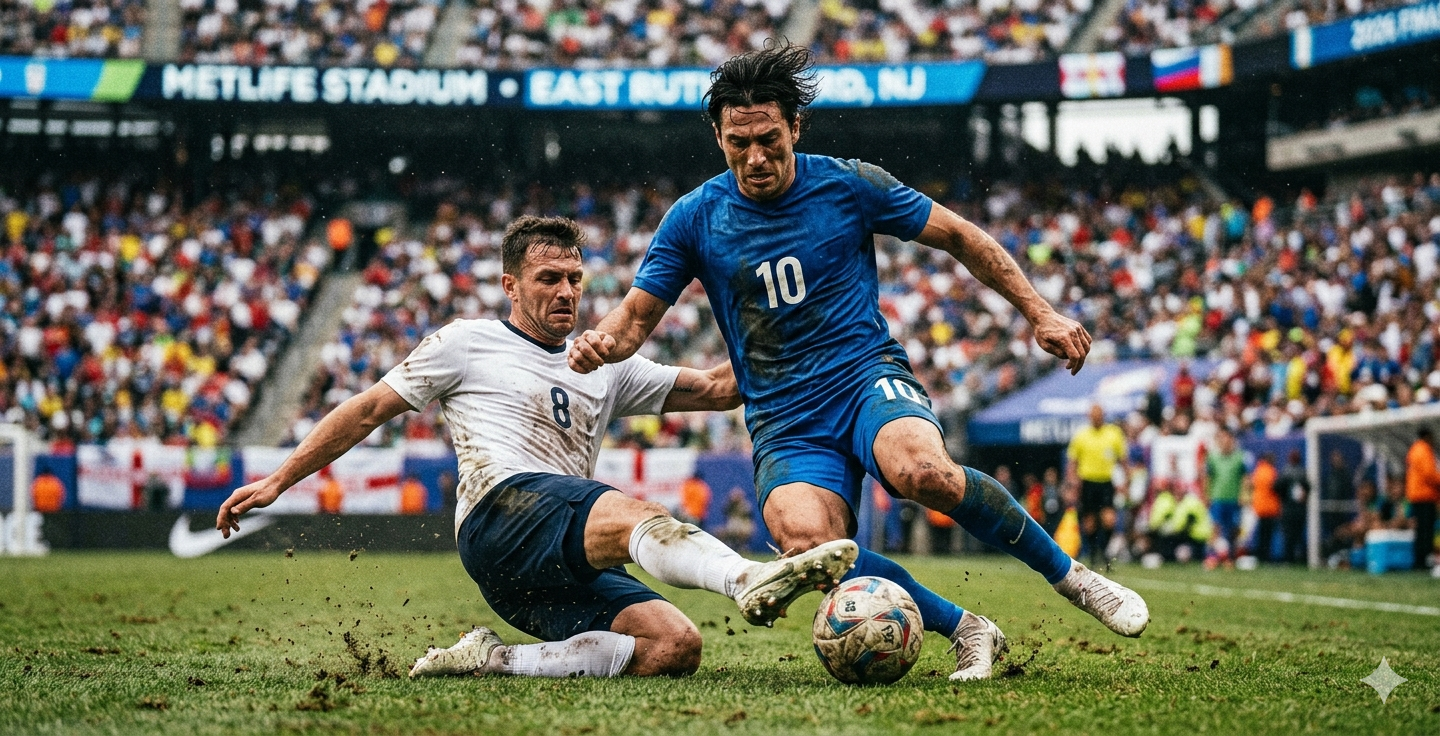
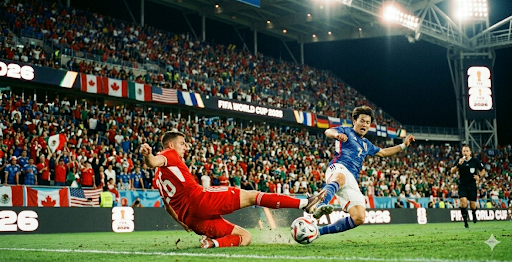
Teams at this level are genuinely hard to break down. Every nation at a World Cup has prepared specifically for their opponents. Defensive structures are organized. Pressing shapes are drilled. Creating multiple clear chances against a well-set defense is genuinely difficult even for the best attackers on earth.
Coaches treat narrow leads as enough. Once a team goes 1-0 up, the calculation changes completely. Why chase a second goal and risk a counter when one goal might be all you need? The game freezes. Tempo drops. The leading side manages. The trailing side pushes but carefully. The scoreline stays where it is.
Knockout football makes it even more extreme. One mistake ends your tournament. Conceding one goal from a half-chance in the 78th minute because you pushed too many players forward is the nightmare scenario. Coaches know this. Players know this. Everyone plays accordingly.
Group Stage vs Knockouts. Two Different Animals.
One-goal games happen throughout the tournament but for slightly different reasons depending on the stage.
In group play, a 1-0 or 2-1 win does two things at once. Brings three points and protects goal difference. Coaches don't always push for more when a slim lead is already doing the job. Why expose yourself to a counter just to make the scoreline look prettier.
In the knockouts it gets even tighter. From the quarter-finals onward, goals per game drops noticeably and the share of one-goal margins climbs hard. Most ties from that stage onward end 1-0, 2-1, or go to extra time because of a draw. The business end of the World Cup is basically a one-goal game factory.
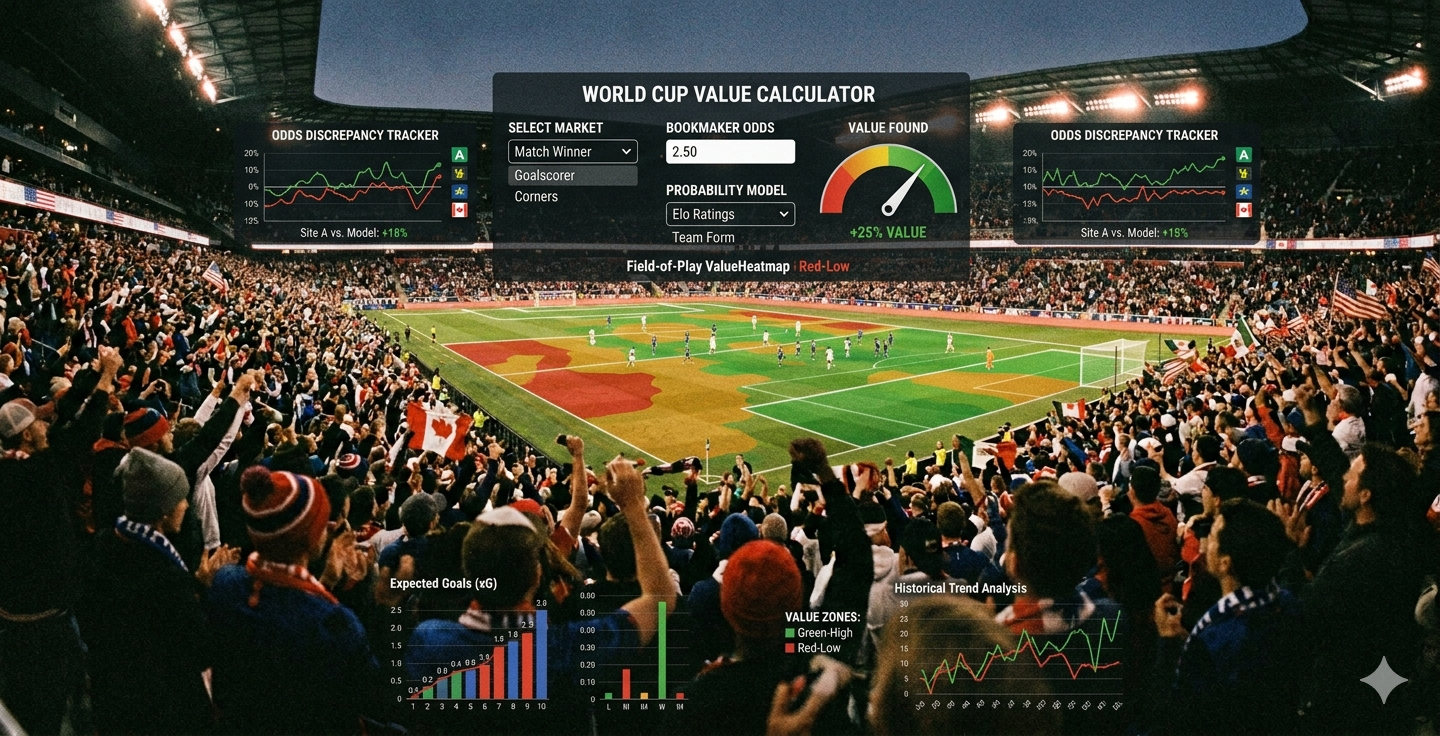
Want better World Cup bets? Use Shurzy's Predictions tool for data-driven picks and insights.
Late Goals and the One-Goal Trend Feed Each Other
This connection is underrated and worth understanding before you place anything.
We already know the 76 to 90 plus stoppage time window is the highest-scoring period in World Cup matches. A lot of those late goals don't open tight games up into multi-goal results. They just decide them.
A match that's 0-0 for 78 minutes ends 1-0 when a set piece lands right. A game that's been level at 1-1 ends 2-1 when a tired defender loses his man in the 87th minute. The late goal doesn't change the nature of the result. It just confirms the one-goal margin that was always the most likely outcome.
Tight control for 80 minutes. One moment of quality or chaos. Final whistle. 1-0.
That's the World Cup in a sentence.
Read More: World Cup Late Game Betting Edges
Before you bet the World Cup, check Shurzy's Predictions for the best betting angles and value plays.
The Markets That Pay Off Here
One-goal game trends point at some genuinely underused betting angles across all 104 matches in 2026:
- Draw no bet on favorites — removes the draw result from the equation while still paying decent odds on a team likely to win by exactly one goal
- Both teams to score: no — if one team scores first and sits on it, the second goal never comes. This lands more than the market prices in tight knockout ties
- Correct score 1-0 — the most common single scoreline in World Cup history. Often priced as if it's a long shot. It genuinely isn't
- Asian handicap -0.5 — essentially betting on a win by any margin. Cleaner than the moneyline in tournaments built around narrow results
- Under 2.5 goals — knockout rounds especially. When both teams are this organized, three goals is often too many to ask for
The correct score 1-0 angle is the most criminally underpriced. Books treat it like a speculative punt. The data says it's practically the default outcome at this level.
The Bottom Line
One-goal games aren't cagey or boring or a failure of attacking football. They're the natural result of elite teams, risk-sensitive tactics, and knockout pressure combining into the most competitive football on the planet.
Nearly one in five World Cup matches ends 1-0. The guy tearing up his slip in the betting shop didn't lose because of bad luck.
He just never read the data.
Looking to get an edge throughout the entire World Cup? Check out Shurzy's Predictions tool for data-backed picks, matchup insights, and betting angles across every stage of the tournament. Whether it's group matches or knockout rounds, this is where smart bettors find value.

Minimum Juice. Maximum Profits.
We sniff out edges so you don’t have to. Spend less. Win more.


RELATED POSTS
Check out the latest picks from Shurzy AI and our team of experts.