World Cup Referee Card Trends
I once had a beautiful five-leg parlay riding on a player staying on the pitch for 90 minutes. He lasted 67 minutes. Second yellow for a tactical foul on a counter. Completely predictable in hindsight. The kind of card that happens to holding midfielders in tight matches roughly every other game. I had not looked at his disciplinary record. I had not considered the referee's booking tendencies. I had simply assumed he'd be fine. Card markets at the World Cup reward homework. And in 2026 the homework just got a lot more interesting.


The VAR Expansion Nobody Is Talking About
VAR at the 2018 and 2022 World Cups already changed discipline markets in ways bettors were slow to adjust to. More penalty area infringements got caught. Off-the-ball incidents that used to go unnoticed suddenly resulted in red cards. Players who'd been getting away with certain challenges for years suddenly found themselves reviewed.
In 2026 VAR is expanding further. From June 2026 onward, video review will now cover:
- Goals and penalty decisions as before
- Direct red cards as before
- Mistaken identity as before
- Corner kick decisions. New.
- Second yellow cards. New.
That last one is the big change for betting purposes. Second yellow cards are now explicitly under VAR review. A borderline second caution that might have stood or been missed in previous tournaments can now be checked, confirmed, or overturned.
This cuts both ways. More correctly issued second yellows for players who deserved them. Fewer soft dismissals that were clearly wrong on review.
Read More: The Complete Guide to World Cup Betting 2026
Yellow Card Accumulation Rules Are Changing Too
FIFA is adjusting how yellows accumulate and reset across the expanded 48-team format. The specifics matter here.
The basic principle stays the same. Two yellow cards trigger a match suspension. But the reset windows are being tightened so cautions are assessed over shorter match sequences rather than across half the tournament.
The stated aim is to stop star players missing late knockout matches because of yellows collected weeks earlier in group stage matches. FIFA wants the best players available for the showpiece games. Makes sense for TV. Makes sense for the product.
For bettors the practical effect is:
- Players can accumulate yellows in the group stage with less fear of missing a knockout match weeks later
- The reset structure means discipline slate clears at specific points in the tournament
- Players who might have been cautiously avoiding challenges late in group games now have less incentive to hold back
More challenges taken. Potentially more cards in group stage matches. Fewer suspensions carried into the early knockout rounds than previous tournaments.
The Tactical Foul Problem
Here's the thing about pressing football and tactical discipline that creates a specific card market dynamic.
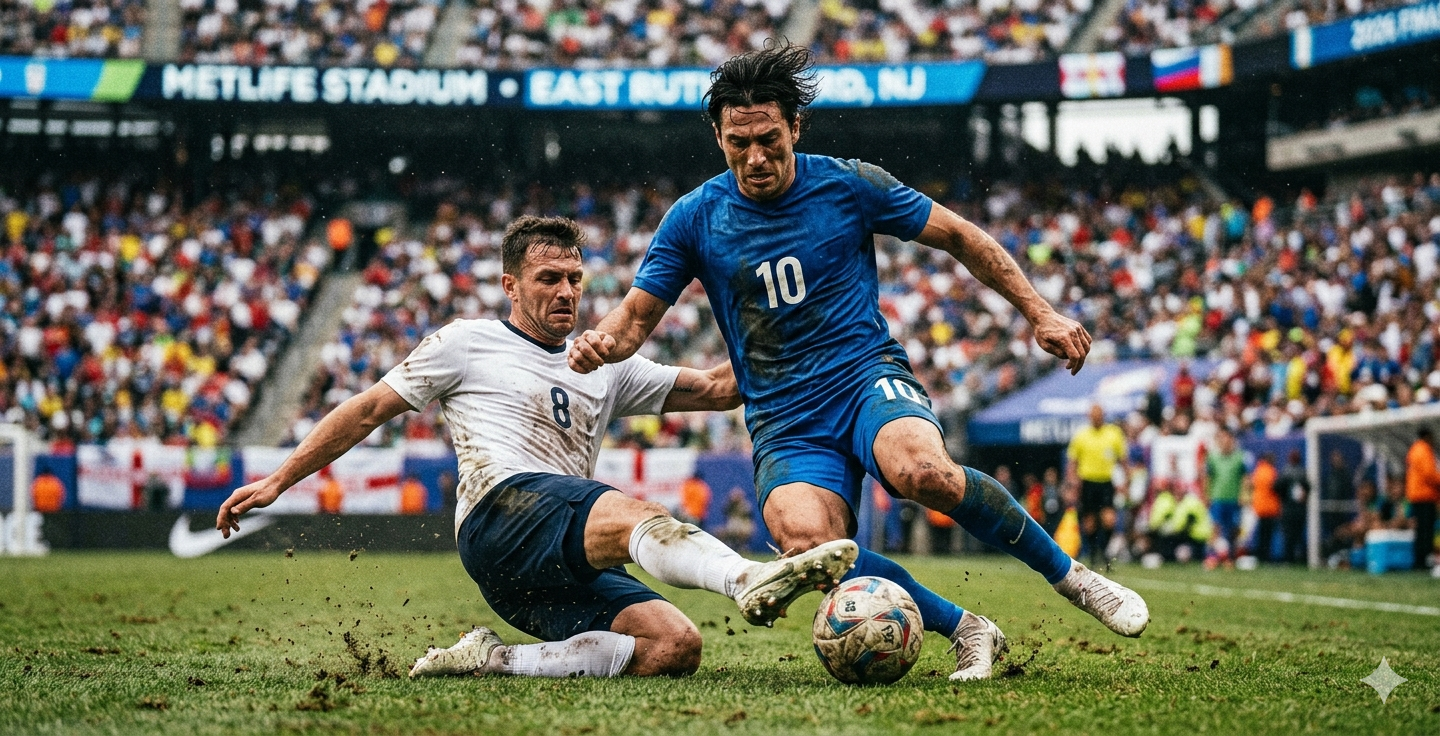
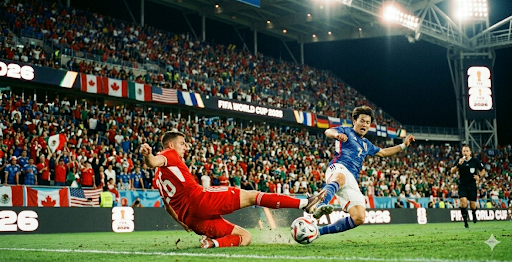
As pressing and transition intensity have increased across recent World Cups, tactical fouls have increased with them. The deliberate mild foul to stop a counter. The cynical trip on a breaking midfielder. The professional push to break momentum before it becomes dangerous.
These fouls generate yellow cards for midfielders and fullbacks at a rate that has grown consistently with the tactical trend toward higher pressing. The players most likely to get booked are exactly the players most central to modern pressing systems.
With second yellows now under VAR review, any player already on a booking is operating under significantly more scrutiny than before. One marginal second challenge can now be reviewed and confirmed where previously it might have been missed or waved away by a referee who didn't want to reduce the match to ten men.
That changes how you price card markets for holding midfielders and fullbacks in particular.
Want better World Cup bets? Use Shurzy's Predictions tool for data-driven picks and insights.
The Dissent Crackdown Is Real
IFAB, the body that sets football's laws, has approved new rules targeting specific behaviours that are now bookable or even red-card offences:
- Players covering their mouths while speaking to opponents
- Leaving the field in protest of a decision
- Persistent attempts to influence or surround officials
These rules apply across competitions but World Cup enforcement tends to be stricter and more consistent than domestic leagues where referees develop tolerance for certain behaviours over years of working with the same players.
High-emotion knockout matches between nations with very different cultures of referee interaction are going to produce dissent cards that domestic betting models aren't calibrated for. The player who argues every decision in his domestic league and gets away with it because referees know him is in very different territory at a World Cup in front of an official he's never met.
Read More: World Cup Discipline and Card Based Betting Edges
Before you bet the World Cup, check Shurzy's Predictions for the best betting angles and value plays.
The Markets Worth Targeting
Card trends in 2026 point at some specific plays worth running across the tournament:
- Player to be carded markets for holding midfielders — tactical foul specialists in pressing systems are the highest card risk profile at any World Cup. VAR on second yellows makes this even more relevant
- Match total bookings overs in high-intensity knockout ties — emotional matches between evenly matched nations with VAR reviewing second yellows produce more correctly issued cards than previous tournaments
- First yellow card time markets — pressing teams generate early tactical fouls. The first booking often arrives before the 30-minute mark in high-intensity matches
- Red card markets in late knockout rounds — fatigue, desperation, and VAR-reviewed second yellows combine in the final stages to increase dismissal probability beyond what opening odds suggest
The holding midfielder card market is the one I keep coming back to. These players foul constantly, accumulate bookings, and in 2026 face VAR scrutiny on their second yellow for the first time. That changes their risk profile significantly.
The Bottom Line
Card markets at 2026 are being reshaped by VAR expansion, new accumulation rules, stricter dissent enforcement, and the tactical reality of pressing football generating more bookings than ever before.
My parlay victim in the 67th minute was always going to get that second yellow. I just hadn't done the homework.
Do the homework. Check the disciplinary records. Price the VAR expansion into second yellow markets. And maybe don't put a holding midfielder's disciplinary record as the anchor leg of a five-team parlay.
Just a thought.
Looking to get an edge throughout the entire World Cup? Check out Shurzy's Predictions tool for data-backed picks, matchup insights, and betting angles across every stage of the tournament. Whether it's group matches or knockout rounds, this is where smart bettors find value.

Minimum Juice. Maximum Profits.
We sniff out edges so you don’t have to. Spend less. Win more.


RELATED POSTS
Check out the latest picks from Shurzy AI and our team of experts.