Best Summer Olympic Events for Sports Lovers
Casual fans watch the Olympics to feel something. Sports lovers watch to see if the tactics hold up, the depth is real, and whether the best team actually wins. If you're in the second group, not every event is worth your time, but the ones on this list absolutely are. These are the Summer Olympic events built for people who already know what good looks like.


Here's a breakdown of which events deliver the most for fans who actually follow sports.
Key Insights
- Athletics and swimming are the dual engines of the Summer Games, combining individual brilliance with tactical depth that rewards anyone paying close attention
- Olympic basketball and soccer both function as compressed versions of their best international tournaments, with higher stakes per game than almost anything in the regular club calendar
- Combat sports reward the sports lover specifically because the one-on-one tactical dimension is completely visible once you know what to look for
Athletics
The heart of the Games, and the event category that produces the most sustained tactical interest for serious sports fans.
The 100-meter final delivers the pure speed argument in ten seconds. But if you want to actually think about what you're watching, the middle-distance and distance events are where the Olympics earns its reputation. The 1500 and 5000-meter races are chess matches played at speed, where positioning, drafting, and the timing of a finishing kick decide outcomes rather than raw pace alone.
What sports lovers specifically get from athletics that casual viewers miss:
- Race tactics where athletes deliberately surrender early position to save for a final-lap kick
- Field events with technical complexity that makes a clean throw or jump look simple when it absolutely isn't
- Stars attempting doubles and triples across events to chase all-time status, which adds narrative stakes to individual performances
The marathon adds a completely different dimension: an entire city as the course, pacing strategy across 26 miles, and the specific drama of a leader being caught in the final kilometer.
Take a break from the action and try Gridzy, our free online grid game that sports fans everywhere are hooked on.
Swimming
Multiple medal races in a single session, world records falling in clusters, and a depth of field that makes every final genuinely competitive.
Swimming rewards sports lovers who pay attention to the event stacking. When a swimmer enters both the 100 and 200 versions of the same stroke, plus a relay, the strategic management of effort across the meet becomes its own storyline. How much did they hold back in the heat? Can they come back from a 200 and still anchor the relay clean? These are real tactical questions that produce real outcomes.
The relay events specifically are the best team format in Olympic swimming:
- Four swimmers, four legs, and lead changes that happen in the final twenty meters
- Anchor legs where everything accumulated in the previous three legs either holds or collapses
- World record attempts that require every split to be near-perfect, which means every swimmer's performance carries consequence for the whole
When a generation of swimmers peaks simultaneously, records fall in bunches across a single Games. Watching that happen in real time is one of the best sports experiences the Olympics produces.
Basketball
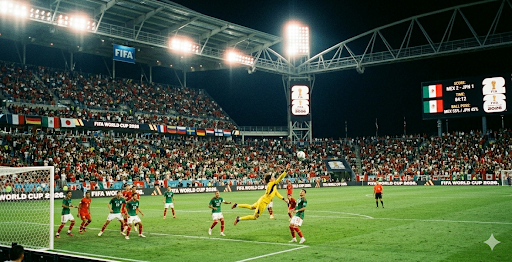
A mini World Cup of basketball, compressed into two weeks, with NBA-level talent across multiple rosters and genuine upset potential in every bracket.
Olympic men's basketball stopped being a guaranteed American walkover somewhere around 2002, and the event is more compelling for it. Spain, France, Australia, and Serbia have all built programs capable of beating the US on a given night, which means every knockout game carries real stakes rather than scripted inevitability.
The women's bracket is where parity is most advanced right now:
- WNBA-level competition distributed across more national programs than ever before
- Faster, more tactical basketball than the men's game produces at Olympic pace
- Results that genuinely surprise people who assumed the US would run the table
Soccer
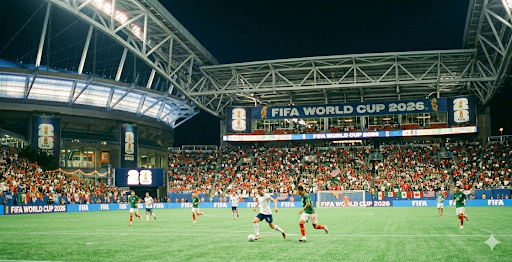
The tactical version of the World Cup, with the added subplot of how clubs and federations negotiate call-ups for a tournament that the calendar doesn't always accommodate.
Olympic soccer's under-23 format with three overage wildcards per squad creates a specific kind of roster puzzle that sports lovers find interesting independent of the results. You're watching teams built under constraints, which reveals something about squad depth and tactical flexibility that a full senior squad obscures.
What the soccer obsessive gets from the Olympic tournament specifically:
- Pressing systems and tactical setups from national programs that don't always get showcased in the senior competition calendar
- Young players in high-stakes environments before they've developed the media polish that makes senior internationals less readable
- The genuine possibility of a result that reshuffles how people think about a country's pipeline
Find your winning edge with Shurzy AI, our predictive model that delivers smart picks and detailed analysis to help you make more informed bets.
Combat Sports
The purest tactical format in the Olympics, and the block of events most likely to produce a sports lover who didn't know they cared about wrestling or judo before they started watching.
Wrestling almost got removed from the Olympics in 2013 before a fan campaign restored it, which gives the sport a narrative layer that most events don't carry. The one-on-one tactical dimension of wrestling, judo, and taekwondo is completely visible once you understand the basic objective, and the sports lover's instinct for reading competitive dynamics kicks in faster than expected.
The specific appeal for serious sports fans:
- Defensive wrestling from a strong position versus offensive attempts to score creates a tension that tactical basketball or soccer fans will immediately recognize
- Judo's throwing mechanics reward understanding of gripping battles and positioning in a way that rewards repeat viewing
- Taekwondo's point-scoring system creates strategic behavior where competitors choose when to engage rather than just attacking constantly
Boxing adds the longest Olympic history of any combat sport, with weight class diversity and the specific drama of amateur judging producing outcomes that generate conversation well beyond the event itself.
Volleyball
Constant scoring, defined momentum runs, and crowds that generate more atmosphere than almost any other Olympic venue.
Indoor volleyball's rally-scoring system means every serve has immediate consequence, and the momentum swings within a set produce the kind of emotional arc that keeps you locked in across all five sets of a close match. The serves, blocks, and libero positioning reward sports lovers who start to learn the tactical layer underneath the obvious athleticism.
Beach volleyball is the streamlined two-person version with higher individual visibility and the specific drama of a 21-point set where every rally matters proportionally more than in the indoor format.
Level up your knowledge in the Shurzy Content Lab, with 101 guides, terms, strategies, and bonus breakdowns for sports betting and casino games.
The Summer Olympics rewards sports lovers who are willing to dig into events they don't follow year-round. The tactical depth is there in almost every sport once you know where to look, and the compressed tournament format creates stakes that club competition rarely generates. Show up with a sports lover's mindset and the Games will give you more than enough to work with.
FAQ
What is the best Summer Olympic event for a hardcore sports fan?
Athletics overall, because it covers the widest range of tactical and physical disciplines and rewards attention at every level from the 100-meter final to the marathon.
Is Olympic basketball actually competitive or just a US showcase?
Genuinely competitive in the modern era. Multiple national programs have closed the gap significantly, and the knockout bracket format means any quarterfinal or semifinal can produce a genuine upset.
Why are combat sports worth watching even if you don't follow them normally?
Because the one-on-one tactical dynamic is immediately readable once you understand the basic objective, and the sports lover's instinct for reading competitive positioning transfers directly from team sports.
What makes Olympic soccer different from the World Cup?
The under-23 format with overage wildcards creates roster constraints that reveal tactical and squad depth in ways the full senior competition doesn't. You're watching building programs as much as finished ones.
Is indoor or beach volleyball better for casual sports lovers?
Indoor for tactical depth and momentum swings across five sets. Beach for individual visibility and the cleaner two-person competitive narrative.

Minimum Juice. Maximum Profits.
We sniff out edges so you don’t have to. Spend less. Win more.


RELATED POSTS
Check out the latest picks from Shurzy AI and our team of experts.