World Cup In-Game Momentum Trends
There is a betting forum post I have saved for two years. One line in it has genuinely made me money: "A moment is a headline. The pattern is the story." Most live bettors at the World Cup are buying headlines constantly. A missed one-on-one. A red card. A goal against the run of play. The market swings. They chase the price. And half the time, nothing about the actual game changed.\


The Difference Between a Moment and a Shift
Two things happen in a World Cup game. Moments and shifts.
A moment is a single event. A missed penalty. A goal. A card. Something dramatic that makes sixty thousand people react simultaneously and makes the live price tick hard in one direction.
A shift is when the underlying pattern of the game changes. A team that was defending deep suddenly pushes players higher. A formation change that opens space. A substitution that alters the pressing structure. Tiredness hitting a key midfielder. Something that changes what the next twenty minutes will look like.
The market responds identically to both. It cannot tell the difference from the scoreboard alone. That is the gap.
- Moment only: Back the team the market just panicked against
- Genuine shift: Respect the new direction and follow it
- Cannot tell which one: Do nothing. Passing is an edge.
Read More: The Complete Guide to World Cup Betting 2026
The Red Card Is Not the Play You Think
A red card drops and the entire internet immediately starts shouting about the team with eleven players. The market hammers the disadvantaged team's price down instantly.
Research analyzing FIFA World Cup matches from 1998 to 2014 confirmed what sharp bettors already knew. Yes, a red card does lower the sanctioned team's goal-scoring rate and increase the opponent's. The data is real.
But the effect depends heavily on timing:
- Red card before 30 minutes: Major reshaping of the game. The advantage is significant and sustained.
- Red card after 70 minutes: Much smaller effect. The sanctioned team often drops into a defensive block and becomes genuinely hard to break down. The remaining time is too short for the 11-man side to fully exploit the advantage.
The market does not price that timing difference cleanly. A red card at the 72nd minute gets the same panicked reaction as one at the 22nd minute. The prices move similarly. The actual outcomes do not.
Wait. Watch the team adjust. Then bet the reality of what you see.
Goal Against the Run of Play: Fade It
This is one of the most reliable patterns in World Cup live betting and it happens multiple times every tournament.
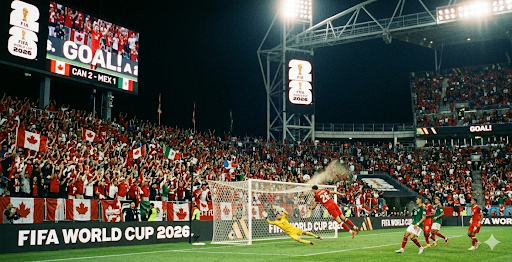
Team A has been dominating possession, winning second balls, and creating chances. Team B scrambles a set piece in from nowhere. 1-0 to Team B. The market immediately lengthens Team A's price because the scoreline changed.
Nothing about the territorial battle changed. Nothing about Team A's xG rate changed. Nothing about how Team B is actually defending changed. One specific thing happened: a ball went in a net from a situation that had nothing to do with the ninety minutes of play surrounding it.
Signs a goal was against the run of play:
- The conceding team had more possession and shots before the goal
- The goal came from a set piece when open-play dominance was clear
- The scoring team immediately dropped back into a defensive block after scoring
- The losing team continues creating the same quality chances
Back the team that scored the own goal. Often. That position is consistently mispriced in the immediate aftermath.
Want better World Cup bets?
Use Shurzy's Predictions tool for data-driven picks and insights.
The Missed Big Chance Trap
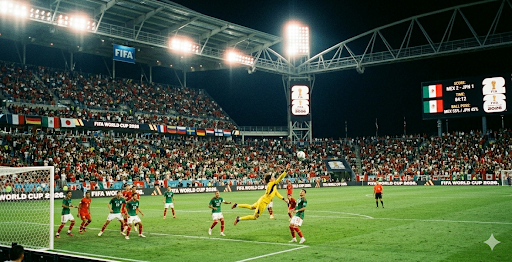
Second most common overreaction in World Cup live betting. Team A creates a clear one-on-one or a penalty miss. The crowd gasps. The live total ticks higher. The market assumes a goal was coming and treats the chance as a stolen moment.
Three questions to ask before betting on the back of a missed big chance:
- Is the team that missed continuing to create from the same positions? If yes, they will get another chance. Back them.
- Was it a one-off counter-attack that is unlikely to repeat? If yes, the market moved on a fluke. Fade it.
- Did the miss change the opponent's tactical approach? If they are now sitting higher and pressing, the underlying game has changed. Respect that.
The "they should have scored" narrative is your brain trying to feel smart about a single event. Sit with it for three minutes before betting anything.
Substitution Impact: The 60-Minute Window
Substitutions create the most undervalued momentum shifts in World Cup live betting. Not the superstar coming off. The tactical change that the substitution represents.
A few substitution patterns worth tracking:
- Fresh winger on at 60-65 minutes when the game is tight: Signals the manager wants to attack the flank that has been winning headers. The live total often moves under on fatigue assumption. Back the over if the winger is specifically targeting space.
- Defensive midfielder brought on by a team that is winning: Signals the manager has decided to protect. The live under becomes attractive immediately. The market sometimes lags this by five minutes.
- Three attacking substitutes in the final twenty minutes by a team that is losing: Desperation mode. Also creates space on the counter. If the opposing team is fast, both scenarios produce goals.
Looking to get an edge throughout the entire World Cup?
Check out Shurzy's Predictions tool for data-backed picks, matchup insights, and betting angles across every stage of the tournament. Whether it's group matches or knockout rounds, this is where smart bettors find value.
Second-Half Scoring Patterns by Minute
World Cup goals are not evenly distributed across ninety minutes. The data from multiple tournaments shows a clear clustering:
- First five minutes: Fewest goals of any interval. Teams still settling into shape.
- 16-20 minutes: First peak. Early pressure converted.
- 45-50 minutes: Another cluster. Late first-half pushes and early second-half energy.
- 76-90 minutes plus stoppage: Highest concentration of goals of any period. Fatigue, desperation, legs going. This is when knockout games get decided.
For live bettors, the 76-90 minute window in competitive games is where the most chaotic and therefore most mispriced moments happen. A goal at the 83rd minute gets the same frantic market reaction as one at the 15th. But the implications are completely different. Less time to respond. Bigger emotional swing. Bigger market overreaction. Bigger edge if you stay calm.
The Play
Be the calmest person in the room. That is genuinely it.
When a big moment hits, wait. Watch what actually changes. Bet the pattern, not the headline. Back teams whose underlying dominance has not changed despite what the scoreboard says. Fade teams whose single dramatic moment was structurally isolated from the rest of the game.
The best live bettors at the 2026 World Cup will not be the fastest. They will be the ones who passed on the emotional price and waited for the real one.
Before you bet the World Cup, check Shurzy's Predictions for the best betting angles and value plays.

Minimum Juice. Maximum Profits.
We sniff out edges so you don’t have to. Spend less. Win more.


RELATED POSTS
Check out the latest picks from Shurzy AI and our team of experts.