Home Vs Away Performance In The World Cup 2026
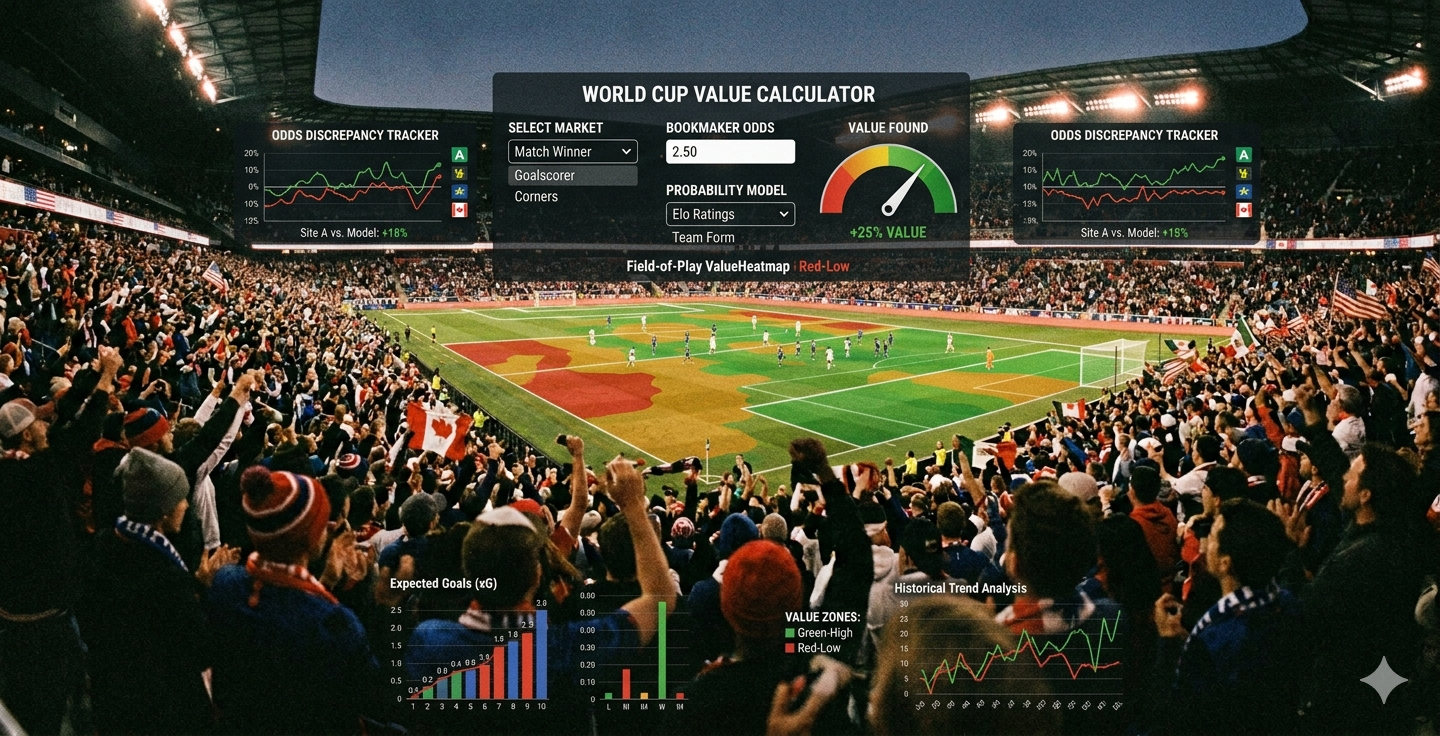
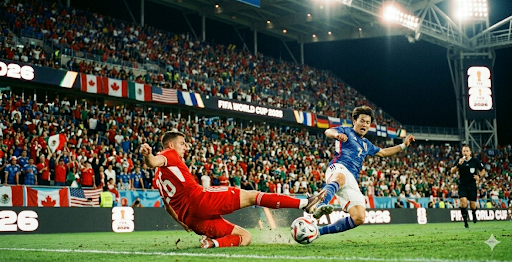
World Cup matches are not always “home” or “away” in the normal league sense. Most teams are playing outside their country, in neutral venues, with mixed crowds. But 2026 is different. Canada, Mexico, and the United States are hosting, so some teams will have home-like edges while others deal with travel, climate, crowd noise, and unfamiliar venues. This guide breaks down how I’d compare home vs away-style performance in the 2026 World Cup. Not by using lazy home-field rules. By checking venue comfort, crowd mix, travel, pressure, and whether the odds already adjusted.


Key Insights
- Quick Answer: Home vs away performance in the World Cup is really about host advantage, crowd support, travel comfort, and venue familiarity.
- Best Way To Get Better Results: Compare each team’s conditions, not just whether it is officially a host or neutral team.
- Biggest Advantage: You avoid overpaying for “home” narratives and find value when neutral teams have hidden comfort advantages.
What Does Home Vs Away Mean In The World Cup?
Home vs away in the World Cup is not like club soccer.
Most matches are played in tournament venues, not true home stadiums. So the better way to think about it is home-like advantage vs travel disadvantage.
For the bigger picture, start with Advanced World Cup Betting Strategy Guide 2026. That pillar article should be your base for value betting, bankroll control, market timing, and advanced World Cup betting angles.
The 2026 World Cup will be hosted by Canada, Mexico, and the United States, with FIFA listing 16 host cities across the three countries. FIFA’s official schedule page also lists 104 matches for the expanded tournament.
That creates different layers of “home” and “away.”
A host team may play in front of a crowd that feels like home. Another team may also have big support because its fans travel well or live nearby. A team from a neighboring country may feel comfortable in the climate. Another team may struggle with long travel or a different venue surface.
So I would not simply label one side “home” and the other “away.”
I’d ask: who is more comfortable here?
That’s the real betting question.
Looking to get an edge throughout the entire World Cup?
Check out Shurzy’s Predictions tool for data-backed picks, matchup insights, and betting angles across every stage of the tournament. Whether it’s group matches or knockout rounds, this is where smart bettors find value.
Why Is Home Advantage Different In A World Cup?
Home advantage is different in a World Cup because the tournament setting changes the usual rules.
In league soccer, home teams usually know the stadium, travel less, sleep in their normal routine, and play in front of their own fans.
In the World Cup, even host teams may move between venues. Opponents may have large fan support too. Some matches may feel neutral. Others may feel heavily tilted toward one side.
That means home-style advantage can come from:
- Crowd majority
- Travel comfort
- Climate familiarity
- Venue familiarity
- Shorter recovery disruption
- Support from local communities
- Less culture shock
- Public betting attention
But it can also come with pressure.
A host team expected to win may feel the crowd in a bad way. If the first goal does not come, the stadium can get tight. Players can rush. The opponent can grow into the match.
So home-like conditions are not always an upgrade.
Sometimes they are pressure with better lighting.
How Should You Read Host Teams In 2026?
The 2026 host teams need to be read separately.
Canada, Mexico, and the United States are not the same betting angle. Different squads, different expectations, different venues, different climates, different public betting pressure.
That matters.
For host teams, I’d check:
- Which venue are they playing in?
- Is the crowd likely to be strongly behind them?
- Is the opponent comfortable in similar conditions?
- Did the odds shorten because of host hype?
- Does the host team have real tactical advantages?
- Are player props inflated by public interest?
FIFA’s host city information confirms the tournament is spread across Canada, Mexico, and the United States, so location-specific reads matter more than one generic “host advantage” label. (FIFA)
Mexico playing in Mexico may create a different edge than Canada playing in Canada or the United States playing in the U.S.
And even inside one country, venue matters.
Crowd, climate, altitude, travel, and public hype can all change by city.
So don’t bet the host label.
Bet the actual setup.
How Do Host Country Trends Connect To Home Vs Away Angles?
Host-country trends can help, but they can also mislead.
That’s why World Cup Host Country Performance Trends And Betting Angles fits naturally here. Host trends give you historical context, but home vs away-style betting needs current team quality, venue setup, crowd mix, and price.
A host may benefit from crowd and comfort.
But if the market already prices that in too aggressively, there may be no edge.
A non-host team may look “away” on paper but still have strong support, short travel, or climate comfort. That can create value if the market treats the match as more neutral than it really is.
This is the key.
Home vs away in the World Cup is not a label.
It’s a conditions check.
Who travels better? Who adapts better? Who has crowd support? Who handles pressure? Who gets overpriced?
That is where the betting value sits.
Want better World Cup bets?
Use Shurzy’s Predictions tool for data-driven picks and insights.
Can Non-Host Teams Have A Home-Like Edge?
Yes, absolutely.
Some non-host teams can still have a home-like edge.
Maybe they have a huge fan base in that city. Maybe their supporters travel well. Maybe the venue is close to their region. Maybe the climate feels familiar. Maybe the opponent has a tougher travel adjustment.
That can matter.
A match in the United States might not feel neutral if one country has a large local fan presence. A match in Mexico may favor a team used to similar altitude, heat, or atmosphere. A match in Canada may feel more comfortable for teams used to cooler conditions.
So before betting, I’d ask:
- Which team will have more crowd support?
- Which team handles the venue conditions better?
- Which team traveled farther?
- Which team has more local familiarity?
- Is the market using a lazy neutral assumption?
That last one is important.
Sportsbooks are sharp, but not every small condition edge is perfectly priced in every market.
Especially props, corners, cards, and live lines.
How Does Away-Style Disadvantage Show Up?
Away-style disadvantage in the World Cup usually shows up through discomfort.
Not always because fans are hostile. Sometimes it’s travel, climate, routine, pressure, or unfamiliar tempo.
A team may struggle if it faces:
- Long travel
- Short rest
- Different climate
- Altitude adjustment
- Host-heavy crowd
- Loud stadium pressure
- Unfamiliar pitch speed
- Time zone changes
- Less recovery rhythm
This does not mean the team will lose.
But it can affect performance.
Maybe the team starts slowly. Maybe pressing fades. Maybe passing rhythm looks off. Maybe defenders make late tackles. Maybe substitutions come earlier than usual.
Those details can matter for:
- Live betting
- Player props
- Cards
- Corners
- Totals
- Team totals
- Underdog spreads
I usually prefer confirming these angles live.
Pre-match, you can guess discomfort.
Live, you can see it.
How Does Home Vs Away Affect Totals?
Home vs away-style conditions can affect totals in both directions.
A home-like team may start fast and push tempo. That can help overs if chance quality is real. But a host or home-backed team can also feel pressure and force low-quality attacks.
Away-style discomfort can slow a team down. But it can also create defensive mistakes, late fouls, tired legs, and set-piece danger.
For totals, I’d ask:
- Does the home-like side create clean chances?
- Is the away-style team struggling to build attacks?
- Does crowd pressure push tempo or create nerves?
- Are defensive mistakes increasing?
- Did the total move because of public host support?
- Is live chance quality matching the price?
No lazy rule here.
Home atmosphere does not automatically mean goals.
Sometimes it means tension.
And tension can be very under-friendly.
How Does Home Vs Away Affect Player Props?
Player props can get weird in home vs away-style setups.
Host players may get public attention, which can make goal scorer, shots, and assist props more expensive. Away-style teams may have undervalued props if they are expected to struggle but still have strong counterattack or set-piece paths.
For props, I’d check:
- Is the host player price inflated?
- Is the player role strong enough?
- Does crowd support increase shot volume?
- Is the opponent defender under pressure?
- Does the away-style team have counter space?
- Could the away goalkeeper face more saves?
- Are cards more likely for defenders under pressure?
Sometimes the best home-vs-away prop is not on the host star.
It might be:
- Opponent goalkeeper saves
- Host winger shots
- Away defender card
- Host corners
- Away counterattack shots
- Set-piece taker assist
- Defensive midfielder tackles
Look beyond the obvious.
The obvious market usually gets priced first.
How Does Home Vs Away Affect Cards And Corners?
Cards and corners can be strong home vs away markets.
A team with home-like support may attack more, pin the opponent deeper, and force corners. The team under pressure may commit tactical fouls or late tackles.
But again, style matters.
Corners need wide pressure, blocked crosses, or deep defending. Cards need pressure, speed mismatches, referee style, or frustration.
I’d watch for:
- Home-like team attacking wide
- Opponent sitting deep
- Away-style team clearing in panic
- Fast winger vs tired fullback
- Referee reacting to crowd pressure
- Time wasting
- Late chasing
A loud crowd can make these markets move.
But the better read is whether the match pattern supports it.
Crowd plus wide pressure? Corners can be interesting.
Crowd plus counterattacks and tired defenders? Cards can be interesting.
Crowd plus harmless possession? Careful.
How Can Live Betting Help Read Home Vs Away Performance?
Live betting may be the best way to judge home vs away-style impact.
Pre-match, you can project crowd and comfort. Live, you can see which team is actually handling the setting better.
After 10 to 15 minutes, I’d ask:
- Does one team look more comfortable?
- Is the crowd affecting tempo?
- Is the opponent rattled or calm?
- Are chances clean or forced?
- Is the referee being influenced by the match temperature?
- Did the live market move too far?
Sometimes the “away” team handles the setting better than expected.
That can create value.
Sometimes the home-like edge is obvious right away. The crowd is loud, the press is working, and the opponent keeps clearing under pressure.
That can create value too.
The key is not pre-deciding.
Watch, then adjust.
How Does Public Betting Affect Home Vs Away Prices?
Public betting often leans toward the story.
Host team. Big crowd. Familiar venue. National pride.
Easy sell.
That can move prices or make certain markets less attractive.
Public-heavy markets may include:
- Host moneyline
- Host team total
- Host player goal scorer
- Host first goal
- Host to qualify
- Host futures
This does not mean the host side is wrong.
It means you need to check if the price got worse.
A home-style edge at a fair number is useful.
A home-style edge at an inflated number is a trap.
Same team. Different bet.
This is why line shopping matters too. If public money pushes one book faster than another, better prices may still exist elsewhere.
Small difference.
Big deal over a full tournament.
What Are The Biggest Home Vs Away Betting Mistakes?
The biggest mistake is treating World Cup home vs away like league home vs away.
It’s different.
Other mistakes include:
- Assuming every host match creates the same edge
- Ignoring non-host fan support
- Overpaying for host teams
- Ignoring travel and climate
- Confusing crowd noise with chance quality
- Betting host player props at bad prices
- Assuming neutral means truly neutral
- Ignoring live comfort signals
- Forgetting the price
That last one is everything.
Home-like advantage can help a team.
But if the market already added too much premium, the edge may be gone.
You do not get paid for knowing the crowd is loud.
You get paid when the price is wrong.
What Is A Simple Home Vs Away Betting Checklist?
Here’s the quick process I’d use.
First, identify the actual environment. Host-heavy, neutral, mixed, or opponent-friendly?
Next, check travel and comfort. Who had the easier adjustment?
Then check crowd impact. Does it create real tempo or just noise?
After that, compare team style. Who benefits from the venue and conditions?
Then check the markets. Side, total, team total, player prop, cards, corners, live betting, or no bet.
Finally, check the price.
If the home-like edge is real and the market has not overreacted, maybe there’s value.
If the price is inflated, pass.
No need to pay extra for atmosphere.
Where To Go Next
If you want to go deeper into travel-based disadvantages, read World Cup Travel Distance Impact On Team Performance next. It breaks down how long trips, venue changes, recovery windows, and travel fatigue can affect match odds, props, totals, and live betting.
Before you bet the World Cup, check Shurzy’s Predictions for the best betting angles and value plays.
FAQ
Is There Home Advantage In The World Cup?
Yes, but it works differently than club soccer. Host teams may benefit from crowd support, venue familiarity, travel comfort, and climate familiarity.
Are World Cup Matches Neutral?
Many are mostly neutral, but not all. Host teams, fan travel, local communities, and venue location can create home-like or away-style conditions.
Should I Always Bet Host Teams In 2026?
No. Host teams can be overpriced because of public attention. Bet only when the matchup, conditions, and price still make sense.
Can Home Crowd Affect Player Props?
Yes. Crowd support can influence tempo, pressure, and public pricing, which may affect shots, goal scorer props, cards, corners, and saves.
What Is The Biggest Home Vs Away Betting Mistake?
The biggest mistake is assuming the World Cup works like league home-field advantage without checking crowd mix, travel, venue comfort, and price.

Minimum Juice. Maximum Profits.
We sniff out edges so you don’t have to. Spend less. Win more.


RELATED POSTS
Check out the latest picks from Shurzy AI and our team of experts.