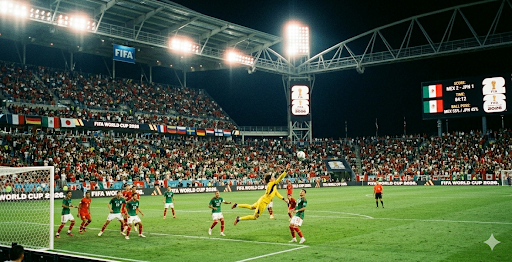
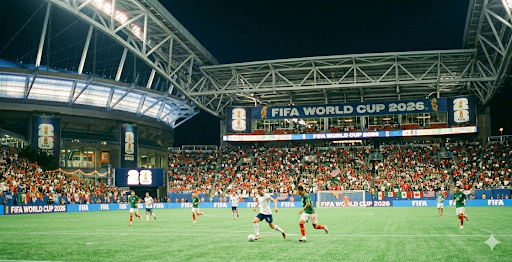
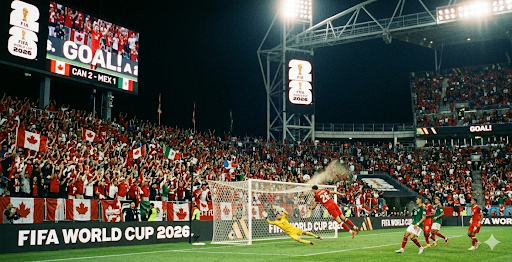
World Cup Goals per Game Trends by Year
Most people betting World Cup totals just pick over 2.5 and pray. That is a strategy, I guess. Technically. But the goals-per-game data at this tournament tells a much more interesting story, and ignoring it is basically handing your bookie a gift.


The Numbers That Actually Matter
Let me hit you with the recent history first because the 1954 stuff, fun as it is, doesn't help you bet 2026.
The modern era low point was 1990 in Italy. Just 2.21 goals per game across the whole tournament. Brutal. Defensive football, low energy, lots of 1-0s. South Africa 2010 wasn't much better at 2.27. Then things flipped. Brazil 2014 hit 2.67 per game. Russia 2018 came in at 2.64. Qatar 2022 set a record with 172 total goals across 64 games, roughly 2.69 per game.
The trend over the last three tournaments is clear. Goals are up. Defensive football has slowly given way to more open play, quicker pressing, and more attacking lineups. And in 2026? Forty-eight teams means more mismatches in the group stage. Big nations against minnows. And minnows getting hammered tends to inflate that goals-per-game number in a hurry.
Read More: The Complete Guide to World Cup Betting 2026
Why Some Tournaments Score and Others Don't
The 1990 World Cup is the poster child for defensive football. Italy hosted it, Italian clubs dominated European football with catenaccio-style defense, and every national team basically copied the blueprint. Fewer chances. Fewer goals. A lot of angry fans.
2010 had a different problem. The Jabulani ball was genuinely terrible. Goalkeepers couldn't read its movement. Forwards couldn't control it properly. So instead of more goals, you got frustrated strikers and nervous keepers playing it safe. The under hit constantly.
2014 and 2022 were different animals. Brazil 2014 gave us Germany beating Brazil 7-1 in a semifinal. Argentina vs France in the 2022 final finished 3-3 after 90 minutes. High energy, high stakes, high scoring.
The group draw for 2026 is critical here. Spain are playing Cape Verde and Saudi Arabia. Germany are playing Ecuador and Ivory Coast. Portugal got Uzbekistan. These are not even contests. When Brazil beat Saudi Arabia 4-1 or Spain put four past Cape Verde, that pulls the tournament average up fast. Group stage mismatches are goal machines.
Knockout rounds are a different story though. Teams get cautious. 90 minutes of football with everything on the line tends to produce more 1-0s and 1-1s. The scoring rate historically drops hard once the Round of 16 starts.
Read More: World Cup Second Half Betting Strategy
Spotting Over/Under Value Before You Bet
A few things that actually move the needle on totals:
- Group stage vs knockout stage: Group games average more goals. Knockout games average fewer. Bet accordingly, not the same line across both stages.
- Mismatch spotting: Top nation vs a team making their first World Cup appearance? Lean over. Both teams have a real chance of qualifying? Lean under, at least early.
- Opening group games: Cautious football. Both teams afraid to lose early. The first game of a group historically goes under more often than people expect.
- Second halves: Historically, more World Cup goals happen in the second half than the first. Live betting the over after a goalless first half is often good value.
- Tournament stage: Once it hits the quarters and semis, teams lock down. The over becomes a losing bet at higher rates.
Want better World Cup bets?
Use Shurzy's Predictions tool for data-driven picks and insights.
Scenarios Where the Trend Pays Off in 2026
Spain vs Cape Verde in the group stage. Spain are the tournament favorites. Cape Verde are making history just by being there. The line opens at over/under 2.5. Most casual bettors take the over and move on. But the smarter angle is looking at whether Spain rotate early, whether the Cape Verde defense is organized, and whether Spain actually need to win by five or if three points is enough. Context matters.
Germany vs Curacao is another one. Curacao are the smallest nation ever to qualify for a men's World Cup. Germany are a four-time champion rebuilding toward something real. That game goes over. Probably well over.
The real value play in 2026 is group stage mismatches at the right price and then flipping to the under once knockout rounds start. Two completely different approaches for two completely different phases of the tournament.
What Kills Your Totals Bet
A few things blow up totals positions fast.
Tactical parking. Some coaches send out a team with no intent to score when a draw is enough. If Argentina already have six points going into game three and the opponent needs a win, Argentina might lock it down at 0-0 and not care.
Weather and travel. The 2026 venues span three countries and multiple time zones. Teams playing back-to-back games in different climates, covering thousands of miles by plane, show up flat. Flat teams score fewer goals and concede fewer.
Referee style. Some officials let games breathe and the pace stays high. Others stop play every three minutes and kill any momentum. Check who's in charge before you lock in a total.
Before you bet the World Cup, check Shurzy's Predictions for the best betting angles and value plays.
The Play
Back the group stage over in clear mismatches. Fade the over in knockout rounds unless two genuinely attacking teams meet and both need a win. The 2026 format with 48 teams creates more blowout potential in the group stage than any previous tournament.
The data from 2014, 2018, and 2022 all point the same direction. Goals are trending up. Bet with it in the group stage. Against it once the knockout rounds start.
Looking to get an edge throughout the entire World Cup?
Check out Shurzy's Predictions tool for data-backed picks, matchup insights, and betting angles across every stage of the tournament. Whether it's group matches or knockout rounds, this is where smart bettors find value.

Minimum Juice. Maximum Profits.
We sniff out edges so you don’t have to. Spend less. Win more.


RELATED POSTS
Check out the latest picks from Shurzy AI and our team of experts.