World Cup Travel and Rest Rules Explained
My cousin followed his team through three cities in six days during a tournament a few years back. Houston to Vancouver to New York. Different time zones, two border crossings, one delayed flight, zero sleep. He showed up to the third game looking worse than the players. Missed his live bet window because he fell asleep in the Uber on the way to the bar. Point is, travel at the 2026 World Cup is genuinely complicated. For fans. For teams. And for your bets. Here's how it all works.


The Big Picture: Three Countries, One Massive Headache
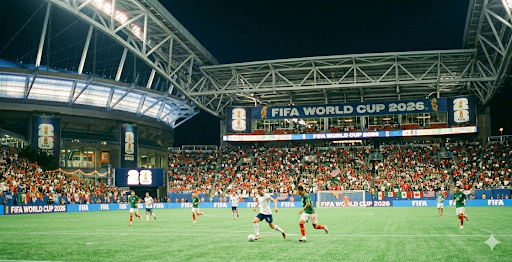
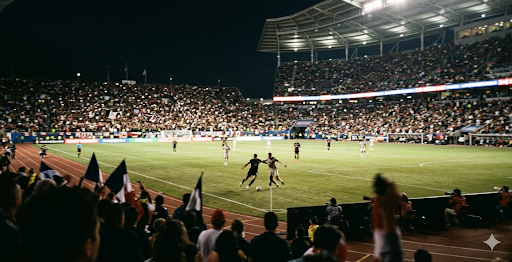
The 2026 World Cup covers more ground than any tournament in history.
- 11 US cities
- 2 Canadian cities
- 3 Mexican cities
- 104 matches across 39 days
That's a lot of ground to cover. And FIFA knew it. So they built the schedule around regional clusters specifically to stop teams from flying coast to coast between group games.
Each group's matches are concentrated in two or three nearby venues. West Coast groups stay on the West Coast. East Coast groups stay East. Mexican and Canadian groups stay close to home. No team should be bouncing from Miami to Vancouver to Kansas City inside a single group stage.
That's not just logistical convenience. That's a competitive design decision that directly affects fatigue, form, and your bets.
Read More: The Complete Guide to World Cup Betting 2026
How Teams Actually Travel
Every squad picks a base camp. One hotel, one training facility, locked in for the tournament. FIFA requires these sites to meet specific standards including high-quality pitches, indoor facilities, and at least 40 square meters of dedicated recovery space with temperature-controlled ice baths.
From that base, the travel pattern looks like this:
- Two days before a match: short trip from base to the match city, usually charter flights or buses
- Matchday: local transfers only, nothing long
- Post-match: back to base or straight to the next city depending on schedule
Teams treat travel timing like a training load decision. A badly timed flight after a tough game can undo three days of careful recovery work. National team performance staff are involved in every travel call. It's not just logistics. It's performance management.
Want better World Cup bets? Use Shurzy's Predictions tool for data-driven picks and insights.
Rest Windows Built Into the Schedule
FIFA doesn't publish a formal rest rulebook but the schedule does the job.
Here's what's built in:
- Group stage: typically three to four days between matches for any given team
- Knockout rounds: at least two to three days between each round
- No team plays back to back days at any point in the tournament
A team that makes the final plays up to eight matches in 39 days. That sounds brutal until you realize they have built-in recovery windows at every stage. The schedule is designed so finalists are tired, not destroyed.
The critical betting angle here is the teams that push through extra time in multiple knockout games. Each extra time adds 30 minutes of physical load on top of the 90. A team that goes to extra time in the Round of 16 and again in the quarters is carrying significantly more fatigue into the semis than a team that won both in 90 minutes.
Cross-Border Travel: Teams vs Fans
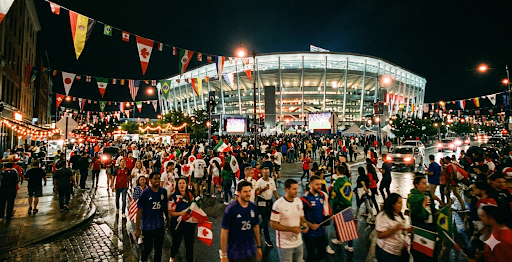
Here's something most casual bettors don't think about at all. Travel rules are completely different for players and fans.
For players, coaches, and essential support staff, there are explicit carve-outs in US entry rules. Even for nationals of countries with current travel restrictions, World Cup participants can enter for matches. That applies to Iran, Haiti, Côte d'Ivoire, and Senegal among others.
For fans it's a different story entirely:
- US entry: ESTA for visa waiver countries, full visas with long processing times for everyone else
- Canada: electronic travel authorization for many flying visitors, full visas for others
- Mexico: generally simpler but still requires planning depending on nationality
Fans crossing borders between games need buffer days built into their itinerary. Land border queues between the US and Canada or the US and Mexico during a major tournament can run for hours. Plan for it or lose a day you didn't budget.
Looking to get an edge throughout the entire World Cup? Check out Shurzy's Predictions tool for data-backed picks, matchup insights, and betting angles across every stage of the tournament. Whether it's group matches or knockout rounds, this is where smart bettors find value.
Travel Fatigue as a Betting Angle
This is the part your bookie hopes you skip.
Teams that advance deep into the knockout rounds start dealing with real travel variables that don't show up in basic form guides:
- Regional cluster familiarity disappears as games concentrate in marquee US venues
- Altitude shifts matter, a team moving from sea-level East Coast games to a venue at elevation faces genuine physiological adjustment
- Time zone changes within the US are small but stack up across a long tournament
- Teams coming from Mexican venues into later US knockout rounds cross climate and altitude simultaneously
None of these are guaranteed to flip a result. But they're free information sitting in the public schedule that most casual bettors completely ignore.
Read More: World Cup Travel and Fatigue Betting Angles 2026
What Smart Bettors Actually Do With This
Here's the practical breakdown before you place anything:
- Check regional clusters: Know which region each team played their group games in and where they're traveling for the knockout round
- Count rest days: Short turnarounds increase fatigue risk, relevant for second-half totals and late-game props
- Track extra time exposure: Teams that went to extra time recently carry more physical load into the next match
- Factor altitude and climate shifts: Mexican venues and some inland US cities present real environmental variables
- Monitor travel news: Charter delays, unusual travel routes, and base camp changes occasionally leak before matches
Your bookie prices lines based on form and squad quality. They also know about travel load. The question is whether you do too.
The Play
The 2026 World Cup is the most logistically complex tournament ever staged. Three countries, four time zones, sixteen cities, and a schedule built to minimize chaos while still running 104 matches in 39 days.
Travel and rest aren't soft factors. They're performance variables. And performance variables move lines.
Map the clusters. Count the rest days. Watch for extra time accumulation in the knockouts. Five minutes of schedule research before a knockout bet is the difference between a sharp play and a blind one.
Before you bet the World Cup, check Shurzy's Predictions for the best betting angles and value plays.

Minimum Juice. Maximum Profits.
We sniff out edges so you don’t have to. Spend less. Win more.


RELATED POSTS
Check out the latest picks from Shurzy AI and our team of experts.