How Many Substitutions Are Allowed in the World Cup
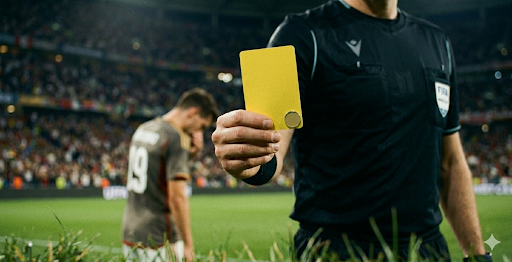
I used to think substitution rules were the kind of detail only coaches cared about. How many you get, when you can make them, that kind of stuff. Background noise for fans and bettors. Then I watched a game where a manager used his last substitution window in the 65th minute to bring on one player, leaving himself with two unused subs and no windows left to make changes when the game changed dramatically in the final 20 minutes. His team couldn't adapt. Couldn't bring on fresh legs. Couldn't change the shape. And the other team, who had managed their windows better, made two tactical subs after the 70th minute that completely altered the game. The substitution management was the story of the second half. And if you had been tracking it as a live bettor, you had information about which team had tactical flexibility remaining and which team was stuck with what they had. Here's every number you need to know for 2026.


The headline numbers
In any group stage or knockout game during regulation: Five substitutions per team. Maximum. This applies from the first group game straight through to the World Cup final.
In knockout games that reach extra time: One additional substitution is permitted. Six total changes per team in any knockout game that goes beyond 90 minutes.
Concussion substitutions: A separate additional substitution per team if a concussion occurs during the match. Does not count against the standard five-sub limit. When one team uses a concussion sub, the opponent also gets an additional substitution opportunity.
Those are the numbers. Now here's how they work in practice.
Read More: World Cup Substitution Rules Explained 2026
The window system
You can't just make substitutions whenever you want. There's a window structure.
During the 90 minutes of regulation, each team has a maximum of three substitution windows. Half-time does not count as a window. Teams can make one sub or multiple subs in each window, but using a window for one sub still uses up one of the three available windows.
This creates real tactical decisions. A coach who uses their first window at 50 minutes to make a single change has two windows left for four remaining subs. A coach who makes two changes at 60 minutes and two at 70 minutes in separate windows has used two windows and one remains.
Managing those windows well is the difference between having tactical flexibility when you need it late in a game and being stuck with unused subs and no opportunity to make them.
In extra time, one additional window is available at the start of extra time for the extra sixth substitution. Half-time in extra time doesn't count as a window.
The 2026 ten-second exit rule
New for this tournament and genuinely significant for game flow.
Substituted players have ten seconds maximum to leave the pitch. Exceed that and the replacement must wait one full minute before entering. During that minute the team plays short.
This is a direct response to years of players taking 60 to 90 seconds to slowly make their way off the pitch in tight games while the clock runs down. It was one of the most transparent and most common forms of time-wasting in football. The new rule punishes it directly.
For betting: if stoppage time decreases as a result of faster substitutions, late-goal probability in the final minutes of regulation drops slightly. The window that late-goal bettors are pricing is somewhat smaller than before.
Looking to get an edge throughout the entire World Cup? Check out Shurzy's Predictions tool for data-backed picks, matchup insights, and betting angles across every stage of the tournament. Whether it's group matches or knockout rounds, this is where smart bettors find value.
Brief history of how we got to five subs
For context on why five feels normal now when it used to be three.
Before 1994 World Cups allowed only one or two substitutions. USA 1994 allowed two outfield subs plus one goalkeeper change. France 1998 through Russia 2018 used three substitutions per team, with a fourth allowed in extra time from 2018 onward.
Qatar 2022 introduced five substitutions in regulation plus one in extra time as a permanent rule at top-level competitions. More substitutions more often. Greater tactical flexibility for managers. More potential for second-half game scripts to change dramatically when a coach has three or four quality bench options available.
That's the environment in 2026. Five subs means more potential turning points. More second-half tactical reshaping. More game scripts that look different at the 80th minute than they did at the 45th.
How substitution limits affect your betting
Practical implications you can actually use.
Track remaining windows for live betting. When a team makes their second substitution window in the 65th minute, they have one window left for their remaining subs. If the game changes after that and they need tactical adjustment, half-time in extra time is their only remaining option during regulation. Teams with windows remaining have more flexibility. That's a real edge in live markets.
Squad depth and bench quality compound over five subs. Spain, France, England, Brazil with fifteen legitimate players have much more impactful substitutions available than teams whose bench includes mostly youth academy products. Five subs means five potential quality additions. For teams with genuine depth that's five opportunities to change a game. For teams without it, they're burning subs on marginal improvements.
The sixth sub as a penalty signal. In knockout extra time, watch who gets the sixth substitution. A player brought on with no obvious tactical reason during the second half of extra time when the score is still level is often a penalty specialist being positioned. That tells you the team expects penalties. And it tells you something about their confidence level in the shootout.
Read More: World Cup Penalty Shootout Betting Guide 2026
The quick reference numbers
- Regulation: 5 subs maximum per team
- Extra time: 1 additional sub, 6 total per team
- Windows: maximum 3 during regulation play, half-time not a window
- Concussion subs: 1 extra per team, separate quota, opponent gets matching extra sub
- Ten-second exit rule: new in 2026, failure means one-minute wait with team a man short
The play
Five substitutions in regulation. Six in extra time. Three windows maximum during play. New ten-second exit enforcement. Concussion subs as a separate allowance.
Track windows in live betting. Note which teams have quality depth to use all five effectively. Watch the sixth sub for penalty specialist signals. And factor the new fast-exit rule into how you price stoppage time and late-goal markets in tight games.
Substitution management won games in 2022. It'll win games in 2026. The bettors tracking it will know which team has the tactical edge before the coaching staff even signals to the fourth official.
Before you bet the World Cup, check Shurzy's Predictions for the best betting angles and value plays.

Minimum Juice. Maximum Profits.
We sniff out edges so you don’t have to. Spend less. Win more.


RELATED POSTS
Check out the latest picks from Shurzy AI and our team of experts.