What Happens if Teams Are Tied on Points in the World Cup
2014 World Cup. Group D. Final day. Costa Rica, Italy, Uruguay, and England all finished with different scenarios playing out. Italy and Uruguay both ended on six points. Italy went through ahead of Uruguay because of goal difference. One goal difference. That was the gap. Italy had scored one more goal than they'd conceded. Uruguay was equal. Italy went through, Uruguay went home. I had futures bets on both teams to advance. Uruguay going out on goal difference after beating England and Italy at various points felt genuinely cruel. But the rules were clear. Points level. Goal difference decides. Italy was better by one. In 2026 with twelve groups and eight third-place teams advancing via cross-group ranking, tied-on-points situations are going to be more common and more consequential than ever before. Here's exactly what happens.


Step one: compare the points
Before any tiebreaker applies, every group table is sorted by total points.
Three for a win. One for a draw. Zero for a loss. Same as always.
If no teams are level, the table sorts cleanly and no tiebreakers are needed. Most groups end up this way. Some don't.
When two or more teams finish on equal points after three games, FIFA works through a specific sequence to determine who finishes higher.
Read More: World Cup Tiebreaker Rules Explained 2026
Two teams tied on points
Most common scenario. Happens in probably a third of groups every tournament.
FIFA checks head-to-head results first. Did one team beat the other in their direct matchup? If yes and the head-to-head mini-league criteria separate them, that decides it.
If head-to-head doesn't separate them, the sequence continues:
- Overall goal difference across all three group games
- Overall goals scored across all three group games
- Fair play points across all group games
- Drawing of lots if somehow everything is still identical
In practice, overall goal difference separates most two-team ties before you ever reach fair play. It's the most commonly decisive tiebreaker after points.
Looking to get an edge throughout the entire World Cup? Check out Shurzy's Predictions tool for data-backed picks, matchup insights, and betting angles across every stage of the tournament. Whether it's group matches or knockout rounds, this is where smart bettors find value.
Three or four teams tied on points
This is where it gets genuinely complex and where betting matchday three without doing the math first gets expensive.
FIFA creates a head-to-head mini-league using only the games played between the tied teams. Applies three criteria in order:
- Points from games between tied teams only
- Goal difference from games between tied teams only
- Goals scored from games between tied teams only
If that separates some teams but not all, FIFA takes the remaining tied subset and reapplies the same three head-to-head criteria to just those teams.
Only when head-to-head is exhausted does FIFA expand to overall group goal difference, then overall goals scored, then fair play, then lots.
Three or four teams tied on points heading into matchday three is a nightmare for casual bettors and a genuine opportunity for anyone who actually works through the math. The scenarios are complex. Multiple results across simultaneous games all affect each team's position. But the underlying criteria are consistent and calculable in advance.
The scenarios that matter for betting
Here's how tied-on-points situations translate into specific betting reads.
Team with a head-to-head advantage over their tied opponent: They know a draw or even a specific narrow loss might still send them through. Less urgency. More conservative setup. Unders and their opponent gaining value.
Team with a head-to-head deficit against their tied opponent: They need to win outright to take the direct comparison out of play, or win by a margin that flips the overall goal difference. More attacking intent. Higher variance game script. Overs and team total overs gain value.
Team tied on points AND goal difference, needing goals scored to separate: Every goal matters. They might push hard for additional goals even when winning comfortably, because total goals scored is the next tiebreaker. Goal-chasing late in comfortable wins is a real and rational behaviour in this situation.
Read More: World Cup Group Qualification Scenarios Betting Guide 2026
Fair play points and drawing of lots
Most bettors have never had to think about fair play points deciding a World Cup group.
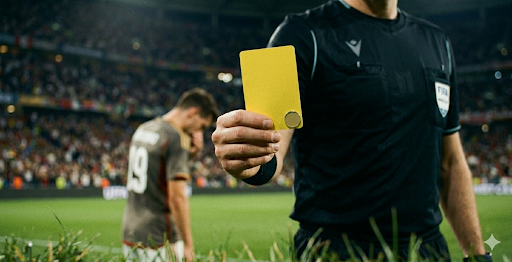
Japan did. 2018. They went through on fewer yellow cards than Senegal after both teams finished level on points, goal difference, goals scored, and head-to-head results. Fair play points were the deciding factor.
It's rare. But it's real. And in 2026 with twelve groups generating more potential tie scenarios, the probability of at least one group being decided by fair play points or an even deeper tiebreaker is higher than in previous tournaments.
Drawing of lots is the absolute final resort. FIFA literally draws randomly to separate teams if everything else is identical. It has happened. It could happen again.
Want better World Cup bets? Use Shurzy's Predictions tool for data-driven picks and insights.
The play
Tied on points is not a coin flip. It's a math problem with a defined solution sequence.
Head-to-head first. Overall goal difference second. Goals scored third. Fair play fourth. Lots last.
Know which teams have head-to-head advantages going into matchday three. Track goal difference implications for teams that need to win by a specific margin. Understand that goal-chasing is rational and planned behaviour when goals scored is the deciding tiebreaker.
One goal difference sent Italy through and Uruguay home in 2014. In 2026, that math plays out across twelve groups simultaneously. Do it before kickoff.
Before you bet the World Cup, check Shurzy's Predictions for the best betting angles and value plays.

Minimum Juice. Maximum Profits.
We sniff out edges so you don’t have to. Spend less. Win more.


RELATED POSTS
Check out the latest picks from Shurzy AI and our team of experts.