World Cup Discipline and Appeals Process
I had a player prop riding on a forward who picked up a straight red in the 67th minute of a group game. Violent conduct. I figured okay, one-match ban, he's back for the next one. Checked the next day. FIFA's Disciplinary Committee had extended the ban to three matches based on video review. Gone for the rest of the group stage and the Round of 32. Didn't see it coming. Didn't know the committee could add games after the fact. Expensive lesson. Here's how the whole discipline system actually works so you don't learn it the same way I did.\


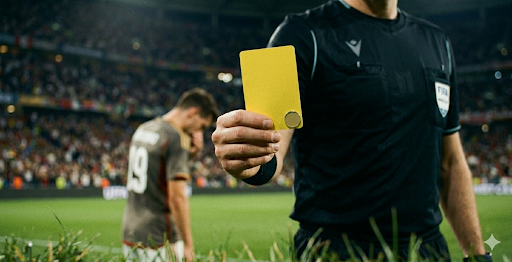
Cards and Suspensions: The Starting Point
Everything starts on the pitch. Referee issues cards. Thresholds trigger automatic suspensions. That part most bettors already know.
For 2026 FIFA introduced stricter disciplinary guidelines on top of the standard card rules. New behaviors that can now result in red cards:
- Covering your mouth when speaking to opponents during confrontations
- Leaving the pitch to protest decisions
- Surrounding or crowding match officials
This reflects FIFA's broader crackdown on dissent and time-wasting behavior. Situations that got a stern look from referees in previous tournaments are now genuine red card territory in 2026.
The yellow card accumulation system and wipe rules after the quarterfinals stay the same as previous articles covered. But the expanded list of red card triggers means more potential suspensions than bettors are used to planning around.
Read More: The Complete Guide to World Cup Betting 2026
The FIFA Disciplinary Committee: Adding Games After the Fact
Here's the part that blindsided me with my forward prop bet.
The FIFA Disciplinary Committee is the main disciplinary body for the World Cup. They can open cases for serious incidents even after the match is over. Even if the referee didn't act on it during the game.
Sources of information for the committee:
- Referee match reports
- Match delegate reports
- VAR footage and video evidence
- Reports of crowd trouble or discriminatory behavior
The committee can increase a suspension beyond the automatic one-match ban for a red card. Violent conduct, spitting, serious assaults, discriminatory behavior, these all regularly result in multi-match bans extended by the committee after their own review.
Sanctions the committee can impose:
- Match suspensions beyond the automatic minimum
- Fines for players, coaches, or associations
- Stadium bans and behind-closed-doors orders
- Point deductions for teams in extreme cases
Decisions get published on FIFA's website. Teams and players receive written notification including their right to appeal.
Want better World Cup bets? Use Shurzy's Predictions tool for data-driven picks and insights.
The Appeals Process: Fast and Strict
Appeals against Disciplinary Committee decisions go to the FIFA Appeal Committee. The process is fast because it has to be during an active tournament.
Key appeal rules:
- Tight filing deadlines, often three to seven days after notification of the decision
- Appeals can seek reduction, annulment, or full overturn of bans and fines
- The Appeal Committee can confirm, reduce, overturn, or actually increase the sanction depending on the case
That last point catches people off guard. Appealing a ban is not without risk. If the Appeal Committee reviews the case and decides the original sanction was too lenient, they can make it worse. Teams and players have to weigh that risk before filing.
The CAS Ad Hoc Division: The Emergency Tribunal
For urgent cases during the actual World Cup, there's a separate fast-track system that most people don't know exists.
The Court of Arbitration for Sport runs a special Ad Hoc Division that operates only during the tournament window, June 11 to July 19, 2026.
Key features:
- Handles urgent disciplinary, eligibility, and competition disputes
- Must issue a binding decision within 48 hours of application
- Can grant provisional measures like pausing a suspension if there's risk of serious harm and a plausible case
- Decisions from the Ad Hoc Division are final and non-appealable
Forty-eight hours. During a tournament where the next match might be in three days, that turnaround is fast enough to actually matter.
The Ad Hoc Division is the last stop for urgent World Cup disputes. After that there's no further appeal during the tournament itself.
Looking to get an edge throughout the entire World Cup? Check out Shurzy's Predictions tool for data-backed picks, matchup insights, and betting angles across every stage of the tournament. Whether it's group matches or knockout rounds, this is where smart bettors find value.
What Appeals Can Actually Change
Referees' decisions on the pitch are final on points of fact under the Laws of the Game. You cannot appeal a handball call. You cannot appeal an offside flag. You cannot appeal a penalty decision.
Appeals realistically focus on:
- Whether a suspension was proportionate or correctly applied
- Eligibility issues or administrative errors
- Misapplication of competition rules rather than refereeing judgment calls
- Whether a match result should stand after serious incidents like crowd trouble or abandonment
Match results almost never get overturned through the disciplinary process. The remedies are almost always bans, fines, or in extreme cases ordering a replay where the Laws were technically misapplied. Not changing the scoreline because a call was wrong.
Read More: World Cup VAR Impact on Betting Markets 2026
The 2026 Crackdown: What's Stricter This Time
Beyond the new red card triggers, FIFA's overall approach to discipline in 2026 is stricter than recent tournaments in a few specific areas.
Areas of increased enforcement:
- Dissent toward officials at any level, including protests from the bench
- Time-wasting through deliberate delay tactics
- Discriminatory behavior by players, staff, or supporters
- Incidents caught on VAR that referees missed in real time
The committee actively monitors VAR footage for missed incidents. A tackle that looked borderline in real time gets reviewed. If it meets the threshold for violent conduct on review, the player gets called in regardless of what happened on the pitch in the moment.
What This Means for Your Bets
The discipline system creates specific betting angles that most casual bettors miss:
- Post-match committee reviews: A player who escaped a red card during the match might still be banned before the next game, check FIFA's website and news in the 24 hours after any incident-heavy match
- Extended bans: One-match automatic bans can become three or four-match bans after committee review, dramatically affecting prop and futures markets
- Stricter 2026 triggers: More red cards expected in 2026 due to new conduct rules, relevant for cards betting markets and over/under lines in physical matchups
- Bench conduct bans: Coaches and staff can receive touchline bans through the same process, affects tactical flexibility for the next match
The Play
The discipline process at the 2026 World Cup doesn't end when the referee blows the final whistle. Committee reviews run overnight. Bans can get extended before the next match. The CAS Ad Hoc Division can flip provisional decisions within 48 hours.
Check FIFA's disciplinary publications after any match with serious incidents before you lock in props for the next game. Five minutes of checking saves you from betting on a player who's already been banned.
Before you bet the World Cup, check Shurzy's Predictions for the best betting angles and value plays.

Minimum Juice. Maximum Profits.
We sniff out edges so you don’t have to. Spend less. Win more.


RELATED POSTS
Check out the latest picks from Shurzy AI and our team of experts.