World Cup Match Duration Rules Explained
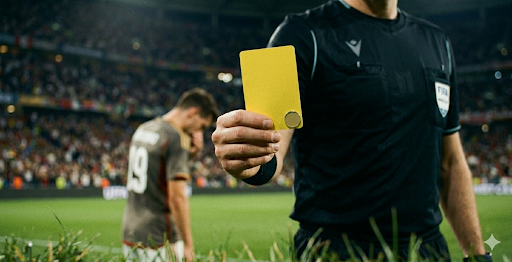
Stoppage time used to mean three minutes and a long ball. Then Qatar happened. Eight minutes of added time became normal. Matches that should have ended at 93 minutes were still going at 99. I watched a clean sheet bet die in the 97th minute of a group game that was basically over at halftime. The ref just kept adding time. 2026 has new rules designed to tighten that up. Here's exactly how match duration works this tournament so you know what you're actually betting on.


The Basic 90 Minutes
Nothing changed here. Law 7 still runs the show.
Every match is 90 minutes split into:
- First half: 45 minutes
- Half-time interval: 15 minutes
- Second half: 45 minutes
Applies to every match at every stage. Group games, knockout rounds, all of it. The 90-minute clock is the foundation everything else builds on.
Read More: The Complete Guide to World Cup Betting 2026
Stoppage Time: How It Gets Added
The referee adds extra minutes at the end of each half to cover time lost during the half. Standard stuff but the amounts have grown significantly in recent tournaments.
Time gets added for:
- Injuries and treatment on the pitch
- Substitutions
- Goal celebrations
- VAR checks and reviews
- Time-wasting tactics
In normal halves you're usually looking at 3-6 minutes of stoppage time. In halves with long VAR delays or serious injuries that number can hit 8-10 minutes or more. Qatar averaged some of the highest stoppage time totals in World Cup history and 2026 isn't expected to be much different.
Want better World Cup bets? Use Shurzy's Predictions tool for data-driven picks and insights.
Extra Time in Knockout Matches
Group stage games can end as draws. Knockout games cannot.
From the Round of 32 onwards, if a match is tied after 90 minutes it goes to extra time:
- Two halves of 15 minutes each
- Short break between extra time halves, not a full 15-minute interval
- Teams switch ends between extra time periods
If still tied after extra time, it goes to penalties.
Extra time only exists in knockout rounds. Never in the group stage. A draw in the group stage is just a draw.
Penalty Shootouts: How Long Do They Actually Take
No fixed clock on this one but the format is consistent.
Five kicks per team alternating. If still level after five each, sudden death until one team leads after an equal number of kicks.
In practice a full shootout adds roughly 10-15 minutes beyond the final whistle of extra time. VAR can review shootout kicks for goalkeeper movement off the line, which occasionally adds a few extra minutes when a re-take gets awarded.
Read More: World Cup Penalty Shootout Betting Guide 2026
Substitutions and Their Impact on Time
Each team gets five substitutions in regulation. If extra time is played, one additional substitution is allowed making it six total.
Every substitution causes some delay and referees add time to compensate. Five substitutions in a single half can push stoppage time significantly higher than the base calculation.
The 10-second substitution rule in 2026 is specifically designed to cut this down. Player coming off has 10 seconds to leave. Take longer and the replacement waits a full minute. Referees will still add time for legitimate substitution delays but time-wasting through slow exits gets punished.
Looking to get an edge throughout the entire World Cup? Check out Shurzy's Predictions tool for data-backed picks, matchup insights, and betting angles across every stage of the tournament. Whether it's group matches or knockout rounds, this is where smart bettors find value.
The New Countdown Rules and Effective Playing Time
2026 brings two specific measures to keep effective playing time high.
5-second restart countdowns. Throw-ins and goal kicks need to be taken within 5 seconds or possession flips. Designed to stop teams burning clock with slow restarts in the final minutes.
10-second substitution exit rule. Already covered above. Same goal, less time-wasting through personnel changes.
These rules won't eliminate long stoppage times completely. VAR checks, injuries, and goal celebrations still eat into the clock. But deliberate time-wasting through restarts and substitutions gets cut significantly.
Maximum Match Time: How Long Can It Actually Go
In the knockout rounds a match could theoretically run:
- 90 minutes regulation
- 30 minutes extra time
- 10-15 minutes penalty shootout
- Plus stoppage time in all four halves
A heavily delayed match with multiple VAR checks and injuries in extra time could realistically hit 140-150 minutes total from kickoff to final whistle. Rare but possible in tight knockout games.
For a team that goes all the way to the final playing eight matches, that's a theoretical maximum of 750 minutes of regulation plus stoppage time and potential extra time in every knockout game. FIFA's mandatory rest windows between rounds exist specifically to manage that load.
What This Means for Your Bets
Match duration affects more bet types than you'd think:
- Over/under totals: High stoppage time increases scoring windows, especially in attacking matchups
- Late goal props: More added time means more opportunities for 90th-minute goals
- Clean sheet bets: A six-minute stoppage time after a tight 1-0 is a very different risk than three minutes
- Live betting: Knowing the likely stoppage time based on match events helps you time in-play entries
- Extra time props: Knockout bets on match result need you factoring in the full 120-minute window
The Play
90 minutes is just the starting point. Budget for stoppage time on every bet, especially in high-intensity knockout matches. And in the knockout rounds, any bet on match result needs to account for the full extra time possibility before you lock it in.
Before you bet the World Cup, check Shurzy's Predictions for the best betting angles and value plays.

Minimum Juice. Maximum Profits.
We sniff out edges so you don’t have to. Spend less. Win more.


RELATED POSTS
Check out the latest picks from Shurzy AI and our team of experts.