World Cup Tiebreaker Rules Explained 2026
2018 World Cup. Group H. Final matchday. Japan vs Poland. Senegal vs Colombia. Japan were losing to Poland but sitting in second place on goal difference over Senegal. With Colombia beating Senegal simultaneously, Japan knew a loss would still send them through if the scores held. So they did something absolutely wild. They just... stopped trying to score. Both teams passed it around near the corner flag for the final six minutes while Japan held a worse result but better fair play points than Senegal. Japan went through. On fair play points. Because they had fewer yellow cards than Senegal over the group stage. I had a bet on Japan to advance. I was furious watching those final minutes. Then I checked the tiebreaker rules and realised Japan had done the math correctly in real time and executed it deliberately. The tiebreaker rules decided that group. They'll decide groups in 2026 too. And if you're betting matchday three without understanding them, you're missing critical information about what each team is actually playing for.


When tiebreakers kick in
Only when two or more teams finish level on points after all three group games.
If everyone has different point totals, no tiebreakers needed. Clean and simple.
If any teams finish equal on points, FIFA works through a structured hierarchy to separate them. The key thing to understand is that this hierarchy has two distinct stages and they don't always get applied in the same order depending on how many teams are tied.
Read More: How Teams Advance From the Group Stage 2026
Stage one: head-to-head between the tied teams
When two or more teams are level on points, FIFA first looks only at the matches played directly between those specific teams. Everything else gets ignored temporarily.
In that head-to-head mini-league:
- Points from the games between tied teams only
- Goal difference from the games between tied teams only
- Goals scored from the games between tied teams only
If one team beat the other directly, or had a better goal difference in their head-to-head matchup, that can be enough to separate them completely.
Where it gets complicated: three or four teams tied on points. FIFA creates a mini-league of all the games played between those teams and applies the same three criteria. If that separates some but not all of them, the head-to-head criteria get reapplied to whichever subset of teams is still level.
Only when head-to-head genuinely cannot separate the tied teams does FIFA move to stage two.
Looking to get an edge throughout the entire World Cup? Check out Shurzy's Predictions tool for data-backed picks, matchup insights, and betting angles across every stage of the tournament. Whether it's group matches or knockout rounds, this is where smart bettors find value.
Stage two: overall group performance
If teams are still inseparable after the head-to-head stage, FIFA expands the lens to all three group games:
- Goal difference across all group matches
- Goals scored across all group matches
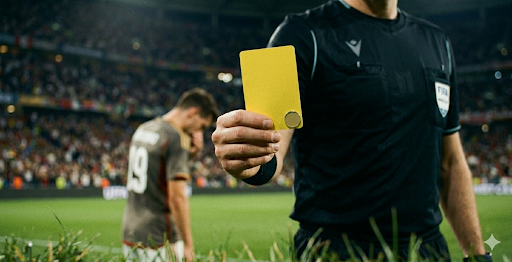
- Fair play points based on disciplinary records across all group matches
- Drawing of lots if somehow everything is still identical
Fair play points work by deducting points for cards. Fewer cards means higher ranking. It's a rough proxy for discipline across the group stage.
Drawing of lots is the absolute last resort. Genuinely rare. But officially allowed. And yes, it has happened.
Why this matters for betting matchday three
This is where tiebreaker knowledge becomes actual betting edge.
Teams going into their final group game often know exactly what combination of results they need. Not just a win. Sometimes a win by a specific margin. Sometimes a draw is enough if head-to-head results from earlier in the group favor them. Sometimes they need another team in a different game to drop points simultaneously.
Concrete betting implications:
A team chasing goal difference might push aggressively for a bigger winning margin even when they're already winning comfortably. That inflates expected goals and pushes total overs value higher than the match stakes alone would suggest.
A team that wins the head-to-head tiebreaker against a tied opponent might play more conservatively in their final game than their group position suggests, because they know a draw or even a narrow loss still sends them through.
A team that loses the head-to-head tiebreaker against a tied opponent needs to either win outright or engineer a specific goal margin. Their incentives are more urgent. More attacking. Higher variance in terms of game script.
Read More: World Cup Betting Based on Match Importance 2026
The third-place tiebreaker adds another layer
In 2026 the tiebreaker complexity goes beyond individual groups. Eight third-place teams advance based on a cross-group ranking. So a team in third place is being compared against eleven other third-place finishers from other groups simultaneously.
The same basic criteria apply in that cross-group table: points, then goal difference, then goals scored. Which means a team's total goals scored across three group games can determine whether they rank eighth or ninth in the combined third-place table. That gap means tournament life versus going home.
Teams are aware of this. Coaches are aware of this. Before matchday three, check both the group table and the live cross-group third-place rankings to understand what each team is actually playing for.
Want better World Cup bets? Use Shurzy's Predictions tool for data-driven picks and insights.
The play
Tiebreaker rules aren't fine print. They're the math that decides groups when points are equal. And they directly shape what teams are trying to do in their final group games.
Know the hierarchy: head-to-head first, then overall goal difference, then goals scored, then fair play, then lots. Track which teams have head-to-head advantages or deficits going into matchday three. Understand when goal difference chasing is a genuine incentive versus when head-to-head results have already decided the outcome.
Japan passed the ball around the corner flag for six minutes because they did this math in real time. You can do it before kickoff.
Before you bet the World Cup, check Shurzy's Predictions for the best betting angles and value plays.

Minimum Juice. Maximum Profits.
We sniff out edges so you don’t have to. Spend less. Win more.


RELATED POSTS
Check out the latest picks from Shurzy AI and our team of experts.