World Cup Uniform Rules and Regulations
Most people remember Cameroon's one-piece kit situation from 2004. Puma designed this sleek all-in-one bodysuit, Cameroon wore it in the Africa Cup of Nations, FIFA lost their mind, and the team got hit with a points deduction threat before eventually having to switch back to a traditional jersey and shorts. The whole thing ended with FIFA literally rewriting the rulebook to ban one-piece kits permanently. That's the kind of detail that makes World Cup uniform regulations genuinely interesting. It's not just boring compliance stuff. There's real history, real consequences, and for bettors, a few angles worth knowing. Here's the full breakdown.


What Every Player Has to Wear
Law 4 of the Laws of the Game sets the minimum. No exceptions for star players, no exceptions for cultural preferences unless specifically covered.
Compulsory equipment for every outfield player:
- Jersey with sleeves, no sleeveless tops
- Shorts
- Socks
- Shin guards fully covered by the socks
- Appropriate footwear for the surface
One-piece suits. Banned. Written out of the regulations specifically because of the Cameroon situation. Not coming back.
Undershirts and undershorts are allowed but they have to match. Undershirt must be the same main colour as the shirt sleeves. Undershorts or tights must match the main colour of the shorts. Kit inspectors check this before every match. Non-conforming players have to change before they step on the pitch.
Read More: The Complete Guide to World Cup Betting 2026
How FIFA Decides Who Wears What
Teams don't show up on matchday and decide their kit. FIFA controls this entirely.
Every national team must register at least two full kits with FIFA before the tournament. One lighter kit, usually white-toned. One darker or more saturated option. The match coordination meeting before each game decides which team wears which strip based on avoiding clashes for players and broadcasters.
Goalkeepers have to wear colours clearly distinct from both teams' outfield players and from the match officials. If there's still a perceived clash after the initial designation, FIFA can order specific items changed. Often socks or shorts. Teams have to have pre-approved alternate combinations ready for exactly this situation.
The decision is final. You don't get to argue about it on matchday.
Want better World Cup bets? Use Shurzy's Predictions tool for data-driven picks and insights.
Number and Name Rules: More Specific Than You'd Think
Numbers and names on World Cup kits aren't just slapped on wherever. There are exact measurements that have to be met.
Back numbers:
- Centered on the back
- Between 25 and 35 cm in height
- Stroke thickness between 3 and 5 mm
- Must be solid filled style, not just outlines
Front numbers on shirts and shorts:
- Between 10 and 15 cm in height
- Can appear on either leg of the shorts
Player names:
- Must appear above the back number in a contrasting colour
- At least 4 cm above the number
- Between 5 and 7.5 cm in height
All numbers and names have to be permanently applied. Sewn, pressed, or ironed on. Velcro and tape are explicitly prohibited as attachment methods. FIFA is not playing around with temporary solutions.
Logo Rules and What's Actually Allowed on the Shirt
This is where commercial regulations get tight.
Each shirt can carry the national association crest and the kit manufacturer logo. That's basically it for branding. The number of colours and graphic complexity is capped at roughly four main colours per design.
World Cup-specific badges are mandatory and have to appear in precise positions and sizes. The tournament logo, competition marks, and for the title holders a champions badge, all placed exactly where FIFA specifies.
No shirt sponsorship. None. Common in club football, completely banned at the World Cup. No additional commercial messaging anywhere on the playing kit. This applies to coaches, bench staff, match officials, ball kids, and the match ball itself. FIFA controls the entire visual environment of every match.
Looking to get an edge throughout the entire World Cup? Check out Shurzy's Predictions tool for data-backed picks, matchup insights, and betting angles across every stage of the tournament. Whether it's group matches or knockout rounds, this is where smart bettors find value.
The Kit Approval Process
Manufacturers submit all World Cup kits to FIFA roughly one year before the tournament. Not a few weeks out. A full year.
FIFA evaluates:
- Colour sets and potential clashes against other registered kits
- Placement of crests, manufacturer marks, and competition patches
- Compliance with number and name size and contrast rules
- Overall compliance with Equipment Regulations and Laws of the Game
If a design breaches the rules, FIFA demands a redesign before approval. In extreme cases teams can face fines, forced kit changes, or competitive sanctions like point deductions for fielding non-compliant equipment. The point deduction option has been used before. It is not an empty threat.
Read More: World Cup Betting Based on Squad Depth 2026
Small Details That Actually Matter
A few things that slip under the radar but are part of the official regulations:
- Gloves, headbands, and wristbands must not create confusion with either team's colours and must respect restrictions on fluorescent colours
- Religious or cultural head coverings are allowed if they are safe and match the team colours under Law 4 interpretations
- Tape on socks must match the colour of the part of the sock it covers
- GPS tracking vests can be worn under the shirt if specifically approved by FIFA, visible external hardware is generally prohibited
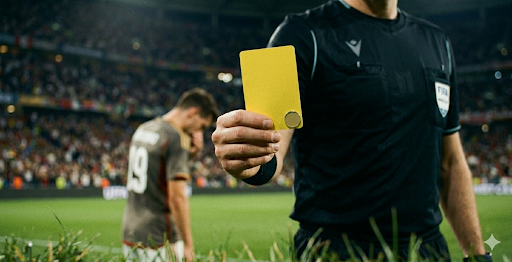
Referees can prevent any player from taking the field until non-compliant equipment is removed or replaced. Mid-warmup. Right before kickoff. Doesn't matter. The rules apply until the whistle goes.
What This Means for Your Bets
Kit regulations don't create huge betting angles on their own but there are a few worth knowing:
- Late kit changes: Rare but real. A forced colour change or equipment issue right before kickoff occasionally causes warmup disruptions and lineup delays that affect early live betting lines
- Goalkeeper kit distinctions: Keeper colours are strictly controlled, relevant context when betting on goalkeeping props or clean sheet markets involving specific keepers
- GPS vest approvals: The tracking data collected during matches directly feeds into rotation and recovery decisions in the knockout rounds, squads with better tech setups make smarter load calls
The Play
FIFA controls every millimeter of what players wear at the World Cup. The number height, the undershirt colour, the logo placement, the sock tape. All of it. And it's been that way since Cameroon tried to wear a onesie to a football match and changed the rules forever.
None of this will make or break your parlay. But knowing the kit system helps you understand how tightly FIFA controls every variable in this tournament. And tight control means fewer surprises for bettors paying attention.
Before you bet the World Cup, check Shurzy's Predictions for the best betting angles and value plays.

Minimum Juice. Maximum Profits.
We sniff out edges so you don’t have to. Spend less. Win more.


RELATED POSTS
Check out the latest picks from Shurzy AI and our team of experts.