World Cup VAR Rules Explained 2026
Raise your hand if VAR has ever killed a bet you thought was already won. Yeah. Same. The 2022 World Cup had bettors losing their minds over offsides that took four minutes to confirm and red cards that got upgraded after the fact. It was chaos. And honestly, it still kind of is. But 2026 comes with some actual rule changes that make VAR smarter, faster, and more relevant to your bets than ever before. Here's the full breakdown so you know exactly what you're dealing with.


What VAR Is Actually For
VAR exists for one reason. Correcting clear and obvious errors. That's it.
It covers four main areas:
- Goals and offences leading up to goals
- Penalty decisions and offences leading up to penalties
- Direct red card incidents
- Mistaken identity, wrong player getting carded
It does not re-referee borderline calls. If a foul is debatable, VAR stays out. Only clear and obvious errors trigger a review. That hasn't changed for 2026 but what counts as reviewable has expanded.
Read More: The Complete Guide to World Cup Betting 2026
What's New With VAR in 2026
Three big additions for this tournament. All of them matter for bettors.
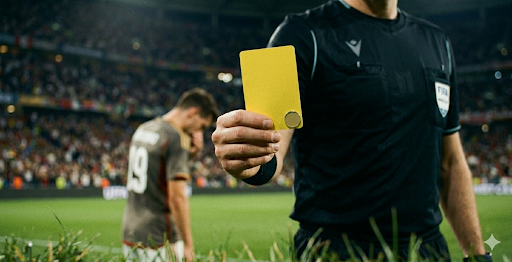
Second yellow cards
VAR can now review second yellow cards that lead to a sending off. Specifically it can intervene if a referee incorrectly awarded a second yellow. Important note: VAR cannot recommend giving a second yellow where none was shown. It can only correct or cancel a wrongly issued one.
This means fewer players getting wrongly suspended for a match. Cleaner player availability going into the next round.
Corner kick decisions
VAR can now check corner kick decisions but only for obvious errors about who last touched the ball. The aim is to fix clear mistakes, like a wrongly awarded corner that directly leads to a goal, without slowing the game down.
Wrong team cards
VAR can now step in if a yellow or red card goes to the wrong player or the wrong team entirely. Extension of the existing mistaken identity scope but broader now.
Want better World Cup bets? Use Shurzy's Predictions tool for data-driven picks and insights.
How VAR Actually Works on Match Day
Same basic process as before, just with more ground to cover:
- Referee makes the call on the pitch in real time
- VAR team reviews all key incidents automatically in the background
- If they spot a potential clear and obvious error they either recommend an on-field review at the pitchside monitor or advise a direct change over the headset for factual situations like offside or mistaken identity
- For 2026 this now includes second yellow cards and corner decisions
The standard stays the same. Clear and obvious errors only. Not close calls. Not judgment calls that could go either way. If it's borderline, the on-field decision stands.
Read More: World Cup VAR Impact on Betting Markets 2026
VAR and Suspensions: The Direct Connection
This is the one bettors need to understand going into 2026.
VAR can now review yellow card situations that escalate to a red. After review it can:
- Upgrade to red if the foul clearly meets red card criteria
- Cancel or downgrade a red if the decision was clearly wrong
The goal is to stop players missing knockout games because of an incorrect red card. In practice this means player availability post-match is slightly more reliable to predict. Fewer surprise bans from controversial calls that never should have stood.
It won't fix everything. Bad calls still happen. But the margin for error on suspension-related bets tightens a little with this expanded VAR scope.
Looking to get an edge throughout the entire World Cup? Check out Shurzy's Predictions tool for data-backed picks, matchup insights, and betting angles across every stage of the tournament. Whether it's group matches or knockout rounds, this is where smart bettors find value.
The New Time Rules Running Alongside VAR
Not VAR functions exactly but part of the same 2026 package and worth knowing:
- 10-second limit for substitutions, exceed it and the replacement waits a full minute to enter
- 5-second countdowns for throw-ins and goal kicks, delay it and possession flips
These are designed to cut time-wasting so that extra VAR checks don't drag matches out even further. Faster game tempo means more live betting opportunities and tighter windows for in-play props.
What This All Means for Your Bets
VAR in 2026 affects betting in a few specific ways:
- Suspension props: Fewer wrong reds means slightly more reliable player availability between matches
- In-play betting: VAR reviews still pause the game, creating pricing gaps in live markets
- Corner bets: VAR can now correct corner decisions, low probability but worth knowing
- Red card props: Upgraded calls can still happen, VAR cuts wrong ones but not genuine serious fouls
- Same game parlays: A VAR review that flips a goal or penalty can collapse multiple legs instantly
The bettors who understand VAR's exact scope make cleaner in-play decisions. You know when a review is coming, you know what it can and can't change, and you move accordingly.
The Play
VAR is smarter in 2026 but it's still not a replay system for every close call. Know what it covers, track any post-match suspensions before your next prop bet, and don't assume a red card is final until VAR has had its look.
The game moves fast. Your bets should too.
Before you bet the World Cup, check Shurzy's Predictions for the best betting angles and value plays.

Minimum Juice. Maximum Profits.
We sniff out edges so you don’t have to. Spend less. Win more.


RELATED POSTS
Check out the latest picks from Shurzy AI and our team of experts.