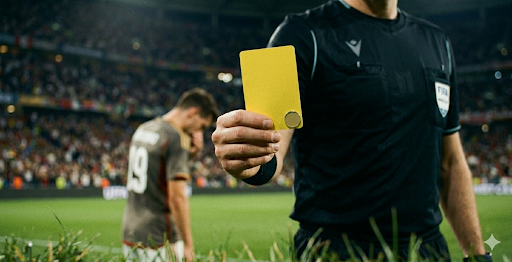
World Cup Weather Delay Rules Explained
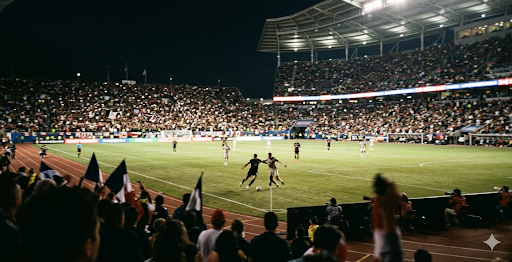
I watched a Club World Cup match in the US get suspended mid-second half because lightning was detected eight miles from the stadium. Players went to the locker rooms. Fans sat in the concourse eating stadium nachos for 45 minutes. The match eventually resumed, finished, and my over bet cashed. But I spent that entire delay with no idea what was happening or when it would restart. The 2026 World Cup runs across 16 cities in three countries with completely different climates. Dallas heat in June. Vancouver rain. Wildfire smoke in western US cities. These aren't hypothetical weather scenarios. They're operational realities FIFA has already planned for. Here's how it all works.


Who Actually Makes the Call
Weather decisions at the World Cup aren't made by one person watching the sky.
Three layers of authority govern every weather situation:
- Laws of the Game, which give the referee authority to suspend, abandon, or resume play due to outside interference including weather
- FIFA tournament regulations and match operations manuals that define standard practices for suspensions, restarts, and rescheduling
- Local law and stadium safety rules, which in the US often codify lightning and storm protocols specifically
The referee doesn't act alone. Every match has a match commissioner and a venue operations team in constant communication about weather radar, lightning detection systems, and field conditions. The referee gets real-time information and makes the final on-field call within that framework.
Read More: The Complete Guide to World Cup Betting 2026
Lightning Rules: Exact and Non-Negotiable
This is the one with the clearest trigger in North America.
The standard operational rule used across US venues:
- Lightning detected within approximately eight miles of the stadium means immediate suspension of play
- A 30-minute minimum delay begins each time lightning is detected inside that radius
- Any new strike within the radius resets the 30-minute clock entirely
Players leave the field and return to locker rooms. Spectators get directed to shelter in place or move to stadium concourses depending on the venue's safety protocol. The match resumes from the exact same minute and score if conditions clear and the surface remains playable.
If severe weather persists past operational limits, curfews, transport constraints, or stadium availability, the match commissioner consults with FIFA and local authorities and can postpone the match entirely. Usually rescheduled for the next available window.
Want better World Cup bets? Use Shurzy's Predictions tool for data-driven picks and insights.
Heat Breaks: New Standard for 2026
This is the biggest weather-related rule change for 2026 and it directly affects betting markets.
FIFA is standardizing two planned hydration breaks per match for the entire 2026 World Cup. One in each half. Regardless of the specific heat index at that venue on that day.
Previous tournaments triggered cooling breaks only when wet-bulb globe temperature hit certain thresholds. The new approach bakes the breaks into match operations universally. Every match gets them. Hot cities, cool cities, doesn't matter.
The specific structure:
- Three-minute cooling break after roughly 22 minutes of each half
- Players can drink, cool down, and receive brief tactical instructions during the break
- Does not count as a formal substitution window
Three minutes doesn't sound like much. But it adds six minutes of non-playing time to every match and creates a natural tactical reset point in each half. That affects game flow, late-half fatigue patterns, and second-half scoring dynamics in ways that historical over/under data from previous tournaments doesn't fully account for.
Rain, Snow, and Field Conditions
Heavy rain or snow doesn't automatically stop a World Cup match. The threshold is whether conditions compromise safety or the basic conduct of play.
The referee and match commissioner assess:
- Visibility on the pitch
- Footing and injury risk
- Ball roll and bounce behaviour
- Function of goal-line technology and VAR equipment
If standing water or ice creates a high injury risk or stops the ball from rolling properly, play gets temporarily suspended while ground crews work on the surface. If the pitch becomes genuinely unplayable, the match can be postponed and rescheduled at the same venue or a different one depending on tournament logistics.
Teams can change their stud configuration for better traction in wet conditions, subject to referee safety checks. The match ball is standardized and cannot be changed, but its updated 2026 specifications mean it handles wet conditions more consistently than the Qatar 2022 ball.
Looking to get an edge throughout the entire World Cup? Check out Shurzy's Predictions tool for data-backed picks, matchup insights, and betting angles across every stage of the tournament. Whether it's group matches or knockout rounds, this is where smart bettors find value.
Wildfire Smoke: The 2026-Specific Risk
Most World Cup weather guides don't talk about this one. But it's real.
FIFA's operational planning for 2026 includes provisions for extreme air pollution and wildfire smoke, which are genuine seasonal risks in western US cities during June and July. Local public health thresholds can trigger enhanced breaks, mask allowances for players, or in severe cases postponements.
The hierarchy for these decisions: local law and public health directives come first, then FIFA competition rules, then the referee's on-field authority. If a local health agency says conditions are unsafe, FIFA follows that directive regardless of match scheduling pressures.
Read More: World Cup Weather Impact on Betting 2026
What This Means for Your Live Bets
Weather events create specific live betting situations worth knowing:
- Lightning delays: Play resumes from the exact same minute and score, lines reset during the delay, knowing the restart rule helps you time re-entry
- Heat breaks: Two guaranteed non-playing windows per match affect game flow and fatigue patterns, relevant for second-half totals and late-goal props
- Wet conditions: Heavy rain affects ball bounce, keeper handling, and defensive footing, watch for over/under line movement before wet-weather matches
- Postponements: Rare but possible, rescheduled matches create fresh line opportunities especially if key players pick up knocks during the original match before suspension
The Play
Weather at the 2026 World Cup is more of a variable than any previous tournament. Sixteen cities across three countries means Dallas summer heat, Vancouver coastal rain, Mexican altitude humidity, and potentially western US wildfire smoke all in the same tournament window.
Know the lightning rule. Factor in the mandatory heat breaks. Watch pre-match weather forecasts for venues you're betting. And if a match gets suspended mid-game, know that it resumes from exactly where it stopped.
Before you bet the World Cup, check Shurzy's Predictions for the best betting angles and value plays.

Minimum Juice. Maximum Profits.
We sniff out edges so you don’t have to. Spend less. Win more.


RELATED POSTS
Check out the latest picks from Shurzy AI and our team of experts.